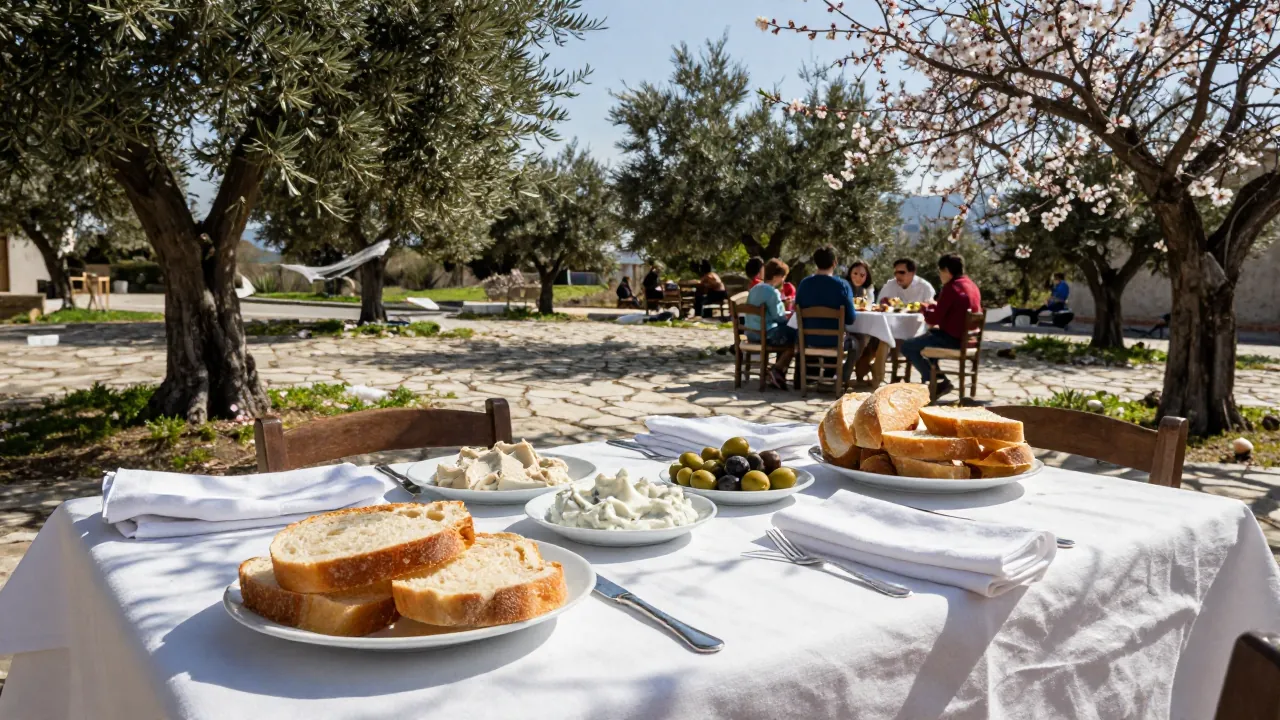
Why a farm, a taverna garden or a public park leads to different plans
The three options fail in different ways, so the choice drives everything else. A farm can give you space, shelter, parking and often a kitchen (check each one), which matters when the fasting menu includes several dishes that need to stay cool or be reheated. A taverna with a garden gives you a cooked meal and staff, but you inherit their seating times and menu, and you may share the space with other groups. A public park costs nothing and needs almost no coordination, but you bring everything: tables, water, shade, waste bags and a plan for the nearest toilet.
Our rule: if the group includes young children and older relatives, book a farm or taverna garden; keep the park for a smaller, self-sufficient group. For a wider family reunion, compare family reunion venues in Greece that can hold a group under one roof or in one garden, because a reunion usually needs a base, not just a picnic table.
Building a fasting menu with lagana at the centre
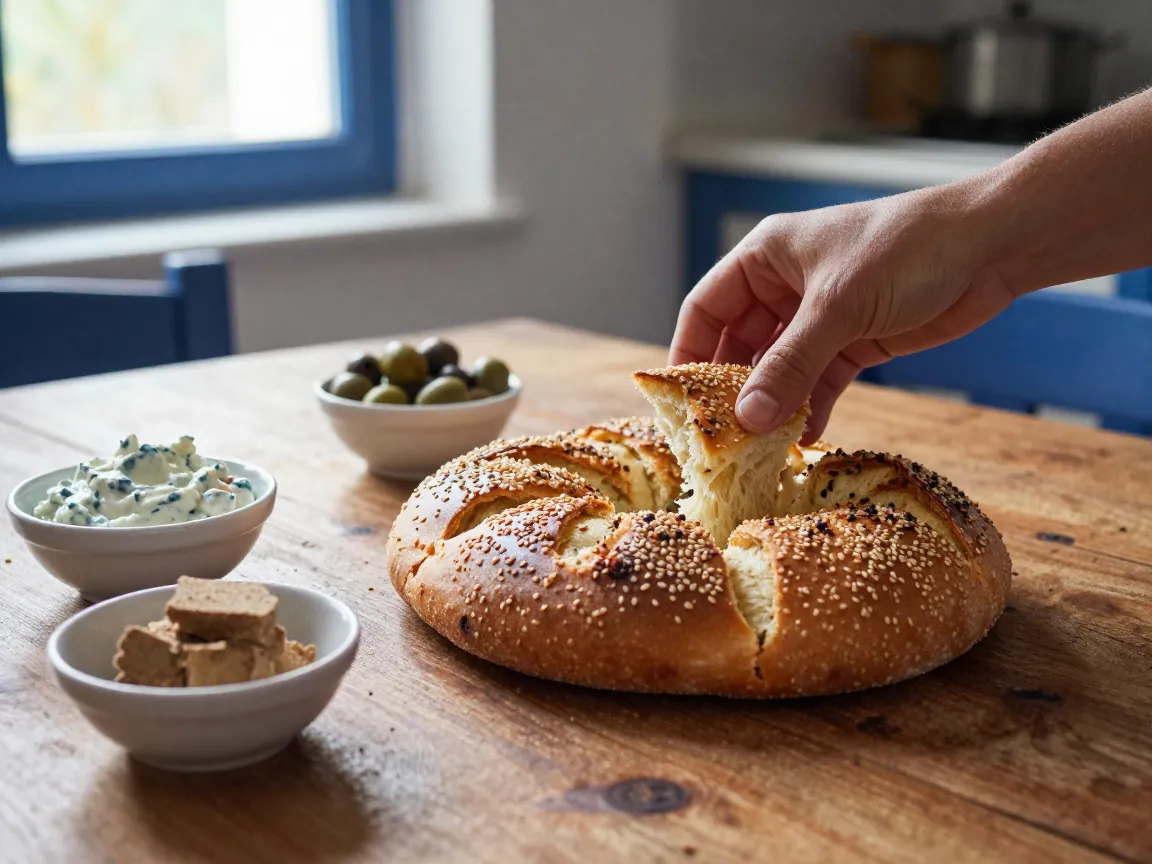
Clean Monday food is Lenten. Families who keep the fast strictly avoid meat, dairy and fish with a backbone, which still leaves vegetables, pulses, olives, taramasalata, shellfish and lagana. The lagana flatbread is the anchor; order it fresh for the morning and plan for more than you think, since it disappears with coffee and dips before lunch starts.
A workable menu for a group of any size runs in this order:
| Course | Dishes to plan | Practical note |
|---|---|---|
| Bread | Lagana, sliced | Buy or order on the morning; it stales fast |
| Cold dips | Taramasalata, hummus, grilled aubergine | Keep in a cool box until serving |
| Salads | Beetroot, bean, chopped greens | Dress at the table, not at home |
| Pulses | Gigantes, fava, lentil salad | Reheat or serve at room temperature |
| Shellfish and olives | Grilled octopus, prawns, kalamata olives | Confirm sourcing and cooking on site |
| Fruit and halva | Seasonal fruit, tahini halva | No dairy needed, travels well |
If you're serving at a farm or taverna, agree in writing who cooks, who clears and whether the kitchen is available. If you're cooking yourself, assign each dish to a household and set a drop-off time. Our fasting menus for events during Lent guide covers Lenten catering for larger groups in more detail.
Kite flying: wind, strings and a realistic age plan
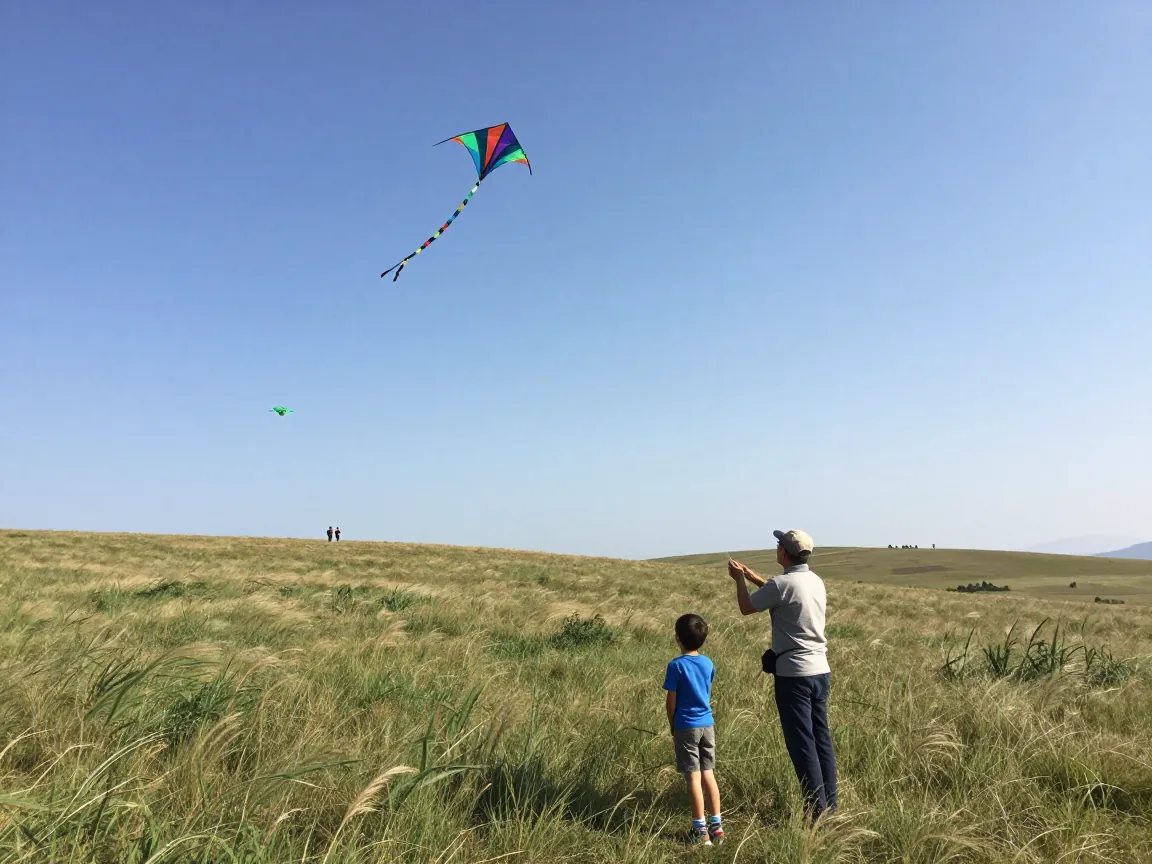
Kite flying is the reason many families choose an open site, and it's also the part most likely to go wrong. Wind is the whole game. A steady breeze lifts a kite; gusts snap strings, tangle lines and send children chasing across roads. Check the forecast the evening before and again on the morning, and pick a site with a clear open field away from power lines, trees and parked cars.
We'd plan kite time as a short, supervised block after the meal, not as an all-day activity. Bring more string than you need, gloves for the adults holding the line, and one kite per two or three children so an adult is always attached to each line. Set a boundary the children can see, and put one adult at the far edge. If the wind is too strong for the youngest, give them a small sled kite or a ball instead; the day still works.
Matching the place to children, grandparents and the drive home
Write the guest list by age band before you choose the site. Toddlers need shade, a soft surface and a short walk from the car. Grandparents need a chair with a back, a toilet within easy reach and no long dirt track. Teenagers need space and something to do after the food. A farm or taverna garden usually answers all three; a remote park rarely does.
Then plan the return. Because so many families head to the countryside on the same day, roads out of cities can be busy in the morning and again in the late afternoon, when many groups leave at roughly the same time. Appoint drivers before the day, keep the alcohol at the table modest for anyone driving, and decide the departure hour in advance so no one is negotiating it with tired children at dusk.
The one-page Clean Monday plan
Put this on a single sheet and send it to the group the week before.
- Place: farm, taverna garden or park, with the address and a meeting time.
- Contact: one organiser's phone number, and the venue's.
- Menu: dishes, who brings each, drop-off time, cool box arrangements.
- Lagana: ordered or bought, quantity confirmed.
- Kites: how many, who supervises, boundary and wind check time.
- Children: shade, water, spare clothes, toilet plan.
- Transport: drivers named, departure hour fixed.
- Waste: bags, and who takes it away.
A farm venue is not automatically better than a park. If the group is small, the farm's facilities can be more than you need, and the park's simplicity wins. Match the site to the headcount, not to the idea of the occasion.
Questions to settle with the venue before you book
Ask the farm or taverna whether the garden is exclusive to your group, whether the kitchen can handle a Lenten menu without cross-contact with meat and dairy, and what happens if it rains. Ask about parking, toilet access, tables and chairs, shade, and whether you can bring your own lagana and dips. Ask, too, whether there is a covered area big enough to move the whole table under it if the weather turns. Ask who clears the site and whether there's a noise limit or a closing time. If the site sits near a beach, an archaeological area or a church, ask the venue which permissions apply to your gathering. Confirm current requirements with the competent authority, whether that's the municipality, the parish or the venue itself, because rules vary by location and change.
For a reunion that spans several days, one clear base beats three scattered bookings; our note on a family reunion in the Ionian Islands explains why.
Tell us your headcount, your date and whether children or grandparents are coming, and we'll point you to farm venues and family reunion venues that fit the shape of your Clean Monday.
Planning questions
How do we choose between a farm, a taverna garden and a public park for Clean Monday?
Match the site to your group's needs. Farms and taverna gardens suit mixed ages because they offer shelter, toilets and kitchens. Public parks work for smaller, self-sufficient groups who can carry tables, water and waste away with them.
What should a Lenten Clean Monday menu include for a group?
Build around lagana, then add cold dips, bean and beetroot salads, pulse dishes, olives, shellfish and fruit or halva. Assign each dish to a household, agree drop-off times, and keep cold items in cool boxes until serving.
How do we manage kite flying with children on Clean Monday?
Check the wind forecast the evening before and again on the morning. Choose an open field away from power lines and roads, keep one adult per kite line, set a visible boundary, and keep kite time to a short supervised block after the meal.