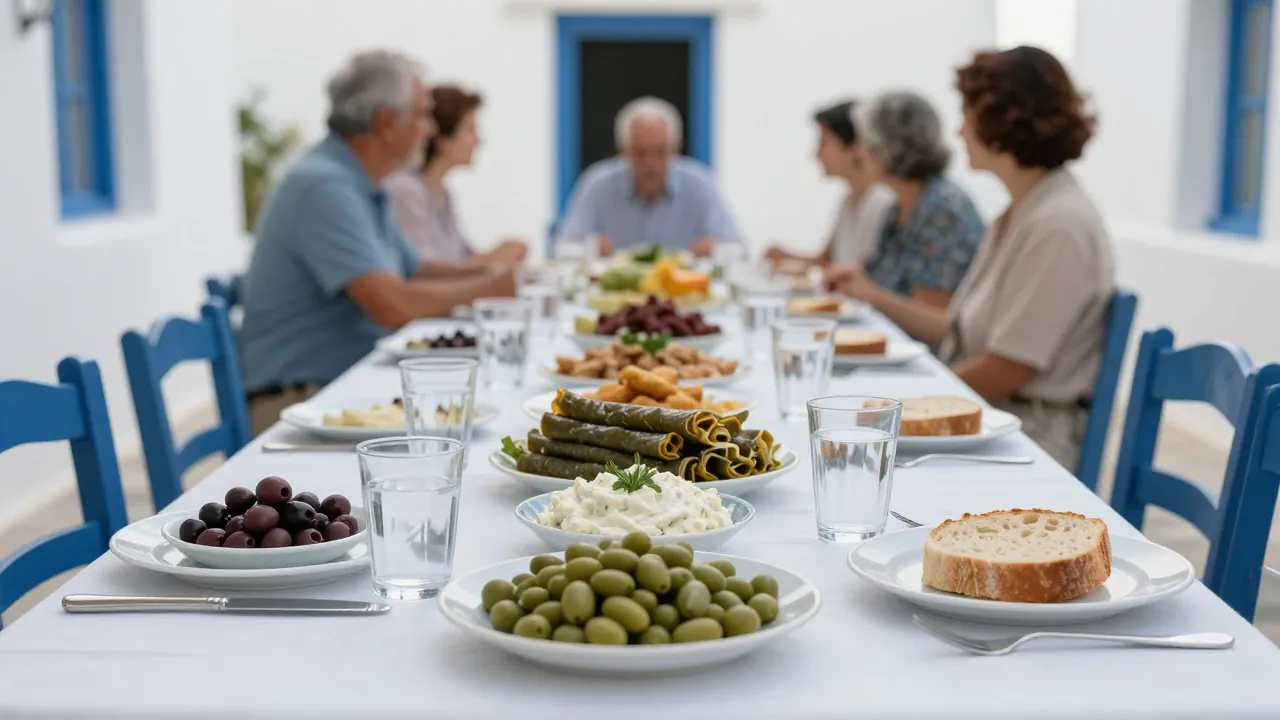
What Greek Lenten fasting actually excludes, and why the seafood question confuses everyone
The fasting calendar that surrounds Lent, Holy Week and the Dormition fast is not a single list of banned foods. It has tiers. On the strictest days, oil and wine are out along with meat, dairy, eggs and fish. On other days, oil and wine return, and on a handful of feast days fish with a backbone is permitted. Shellfish, squid and octopus are treated differently again in most Greek households, which is why the seafood question never has one answer.
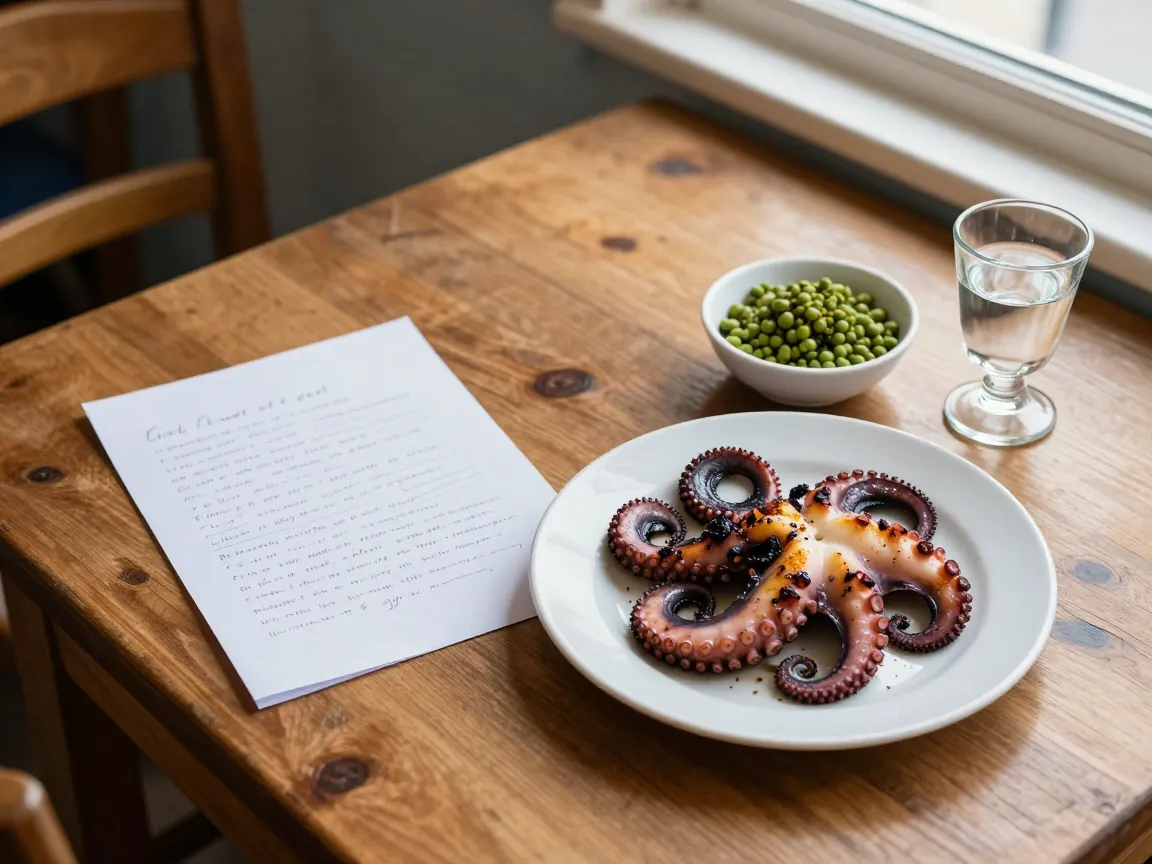
This is where a lot of event briefs go wrong. An organiser hears "fasting" and tells the venue "no meat, no fish, no dairy", full stop. Then a fasting guest sits down to a plate of boiled vegetables while everyone else eats grilled octopus, and the guest quietly wonders why the menu didn't include the dishes the whole table could have shared. The reverse mistake is also common: assuming seafood counts as fasting food, and serving shrimp cocktail to someone observing a strict day.
Visit Greece notes that on Easter Day at Meteora, tradition takes centre stage with the paschalogiorta, the Easter festivities. That's the cultural frame. Fasting is a lived practice, not a dietary restriction, and it's observed differently across regions and families. You are not going to resolve which days count as strict for your four fasting guests. What you can do is build a menu and a brief that assumes variation, and let each guest decide.
The fasting-menu briefing table we send to venues before the tasting
Start any Lent event with this table, filled in and sent to the venue at least three weeks before the date. Three weeks is our own working rule, not a legal deadline. It gives the kitchen time to source and the venue time to price.
| Brief item | What the venue needs to know | What you need back |
|---|---|---|
| Guest count by type | Total guests, then the number fasting, pescatarian, no restrictions, allergies | Confirmed covers for each category |
| Fasting tier | Which of your guests observe strict days (no oil, no fish) | Whether the kitchen can plate both tiers at one sitting |
| Seafood stance | Whether fish, shellfish or cephalopods are acceptable to any fasting guests | Named dishes, and which tier each one fits |
| Oils and fats | Whether your guests want olive oil, and whether seed oils are an issue | The oil used in each fasting dish |
| Alcohol | Whether wine is served or excluded for anyone at the table | Whether the venue pours by the glass or offers non-alcoholic alternatives |
| Labelling | How the venue will mark each dish for the table | A written menu showing which dishes are fasting-safe |
| Shared dishes | Whether fasting and non-fasting guests share mezze | A plan for how shared plates are labelled and placed |
| Timing | Whether the event falls on a strict day or a relaxed one | Confirmation in writing, with the date and tier named |
Two rows on that table do most of the work. The fasting tier row forces the venue to admit whether it can cook two versions of the same course. The shared dishes row stops the awkward situation where fasting guests watch a platter of cheese pies circulate and wonder what they're allowed to touch.
Labelling, shared plates and the mixed menu that respects everyone
A fasting dish that isn't labelled is a fasting dish that nobody trusts. Ask for the menu in writing, with each item marked fasting-safe or not, before the day. Then ask how the waitstaff will describe each dish at the table. If the answer is vague, the kitchen hasn't thought it through.
For a mixed corporate event, our preference is a shared table where the fasting dishes lead. Greek Lenten cooking gives you a strong hand here. Fasolada, gigantes plaki, taramosalata (on oil days), grilled vegetables with ladolemono, horta, and a proper horiatiki without feta are all dishes that a non-fasting guest will happily eat. When the fasting mezze is the good mezze, nobody feels singled out.
The exception is the main course. A grilled fish for the non-fasting table, with a bean or vegetable main for the fasting guests, is fine as long as both plates look like they were designed for the event rather than adapted at the last minute. A plate that looks like a substitute reads as a substitute, no matter how well it's cooked.
If your event includes a formal seated dinner, compare how different venues handle multi-course service by looking at wedding reception venues across Greece, where the same mixed-menu problem shows up at scale. The logistics transfer directly, even though the occasion doesn't.

Contract clauses and questions that decide whether the menu holds
The menu is agreed in a document, and the document is where the menu either survives or drifts. We ask for three things in writing.
First, the named dishes with their fasting status. Not "vegetarian options available", but the actual dish names and which tier they fit. Second, the substitution process. If the kitchen can't source an ingredient, what happens, who is told, and how fast. Third, the labelling commitment. The venue agrees to mark each dish on the printed or digital menu, and the waitstaff agree to describe the dishes as marked. Get the name of the person who will confirm this on the day.
Ask the venue these questions before you sign anything. Can the kitchen plate fasting and non-fasting versions of the same course at the same sitting? What oil is used in the fasting dishes? On a strict day, is fish off the table entirely, or is there a shellfish option your fasting guests have accepted? If the event runs across a fasting day and a feast day, does the menu change at midnight or at the next meal? And if a guest tells the waitstaff on the night that they're fasting, can the kitchen respond, or is the plate already plated?
Food labelling and allergen rules are a matter for the venue and the competent authority, so confirm current requirements with both.
Planning the visit and the rest of the day around the meal
The fasting menu is one part of a longer day. On a Lent retreat, the meals often carry the event: breakfast, coffee breaks, lunch, dinner, and whatever happens after. Each of those moments needs the same briefing discipline. A breakfast buffet with yoghurt, cheese and eggs is a fasting desert unless you've asked for bread, tahini, olives, fruit and jam to be set aside and labelled.
When you visit the venue, use the same brief in every room. Ask to see where the buffet will be laid out, how the labels will be displayed, and where the fasting dishes will sit relative to everything else. Ask how the kitchen will test the dishes before your date.
Accessibility runs alongside this. A guest who is fasting and a guest who uses a wheelchair both have needs the venue should hear about in advance. Our guide to asking about the whole accessible route, not one ramp covers the questions worth asking on the same visit.
Our notes on the venue site visit: bring the same brief to every room explain why the second room matters as much as the first.
A fasting menu during Lent is not a catering inconvenience. It's a chance to feed people properly during a season they take seriously. Visit Greece describes the Easter festivities at Meteora, a reminder that for many guests these weeks are a religious season, not a menu preference.
Tell us your headcount, your event date and how many of your guests are fasting, and we'll put the brief in front of venues that can answer it. The more specific your numbers, the better the answers you'll get back.
Planning questions
Should I ask the venue to cook two versions of every course during Lent?
Not necessarily. Ask instead whether the kitchen can plate both a fasting and a standard version of the same course at one sitting. Some venues can, some cannot, and the answer decides how you structure the menu.
Does seafood count as fasting food in Greece?
It depends on the day and the household. Shellfish, squid and octopus are treated differently from fish with a backbone, and strict days exclude all of them. Ask each fasting guest what they accept, then brief the venue.
How early should I send the fasting brief to the venue?
We send ours about three weeks before the date, which is our own working rule rather than a deadline. It gives the kitchen time to source ingredients, test dishes and confirm pricing without a last-minute scramble.