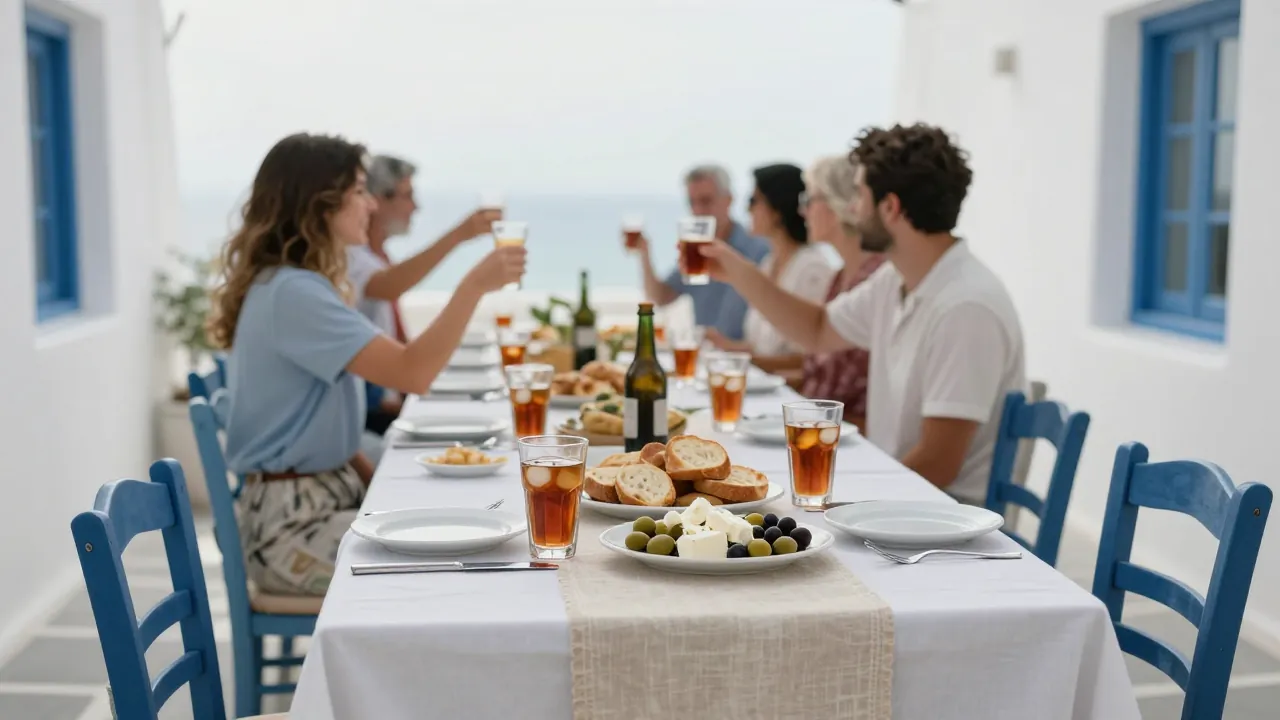
Why the brunch should sit within walking distance of the guest beds
If your guests are spread across three hotels in different parts of town, a brunch across town becomes a taxi logistics problem on a morning when nobody wants logistics. Pick the accommodation cluster first. If most of the wedding party is in one resort or one village, hold the brunch within that cluster, ideally a walk of less than fifteen minutes, so guests who are still tired can drift in and out without arranging transport.
This matters most when the reception runs late. If yours ends well after midnight, a brunch at nine in the morning is wishful thinking. Set the start time at eleven, or even noon, and treat the first hour as arrival time rather than a seated service. Nobody is expected to be punctual. Some will arrive at one.
If the wedding and the brunch are in different places, say a ceremony in one area and a brunch near the departure airport, be honest about the trade. A brunch near the airport catches guests with midday flights, but it strands anyone with an evening flight in a hotel with nothing to do. A brunch near the guest beds is warmer but loses the early departures. You can't optimise for both, and pretending otherwise produces a brunch where half the tables sit empty.
One more thing. If the brunch is happening on a beach or terrace, check what shade exists at that hour and whether the space can host a private gathering at all, and get the venue's answer in writing before you print anything.
A venue type that suits a tired morning
A restaurant with a dedicated event hall is often the easiest answer, because it already owns chairs, tables, shade and a kitchen that can scale up. One example from our listings: Elia Seaside Restaurant in Vryokastro, Agios Fokas, on Tinos, which the listing describes as a Mediterranean restaurant with a dedicated event hall for organized events. Its posted hours run daily from one in the afternoon to eleven at night, with an earlier opening at eleven on Saturdays, so a brunch booking there would need a conversation about the morning slot rather than an assumption that brunch is standard service.
That's the point worth generalising. Restaurant listings often publish afternoon and evening hours, which tells you nothing about whether they'll open early for a private brunch. Ask directly, and ask what the minimum spend looks like for a morning booking, not just whether the date is free.
Alternatives worth pricing against each other:
- A hotel where most guests are staying, which removes travel almost entirely but usually wants the booking tied to a room block.
- A taverna or beach bar near the accommodation, casual and forgiving of stragglers.
- A private villa or Airbnb garden, which sounds charming and usually means you're renting tables, glassware and a caterer separately.
We lean toward the hotel or the restaurant-with-a-hall. The villa option is the one that's easiest to underestimate.
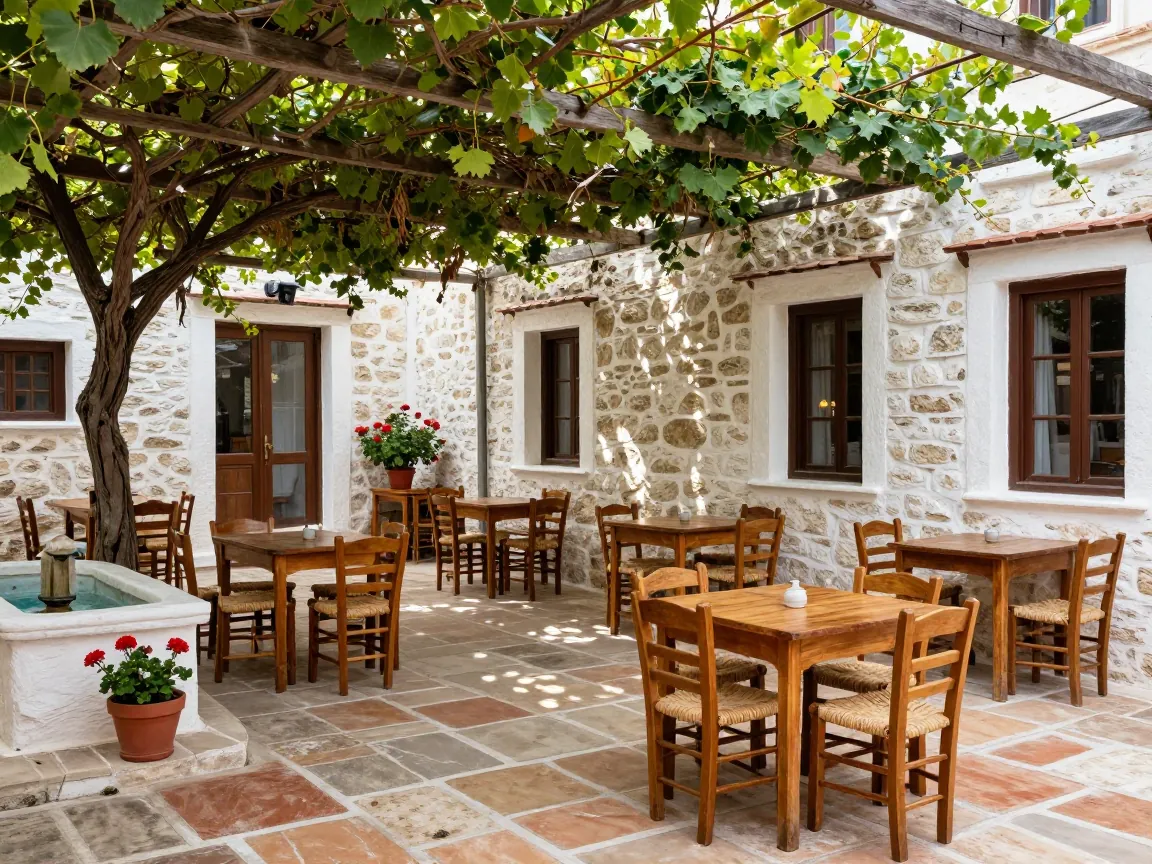
The menu brief: keep it short, salty and cold
After a long night of Greek food and drink, the appetite is specific. Nobody wants a second feast. They want water, coffee, bread, eggs, something salty, something cold, and fruit. That's the whole brief.
Write it as a one-page document and send it to the venue. Ours would say:
- Continuous coffee and water service from the start, not plated courses.
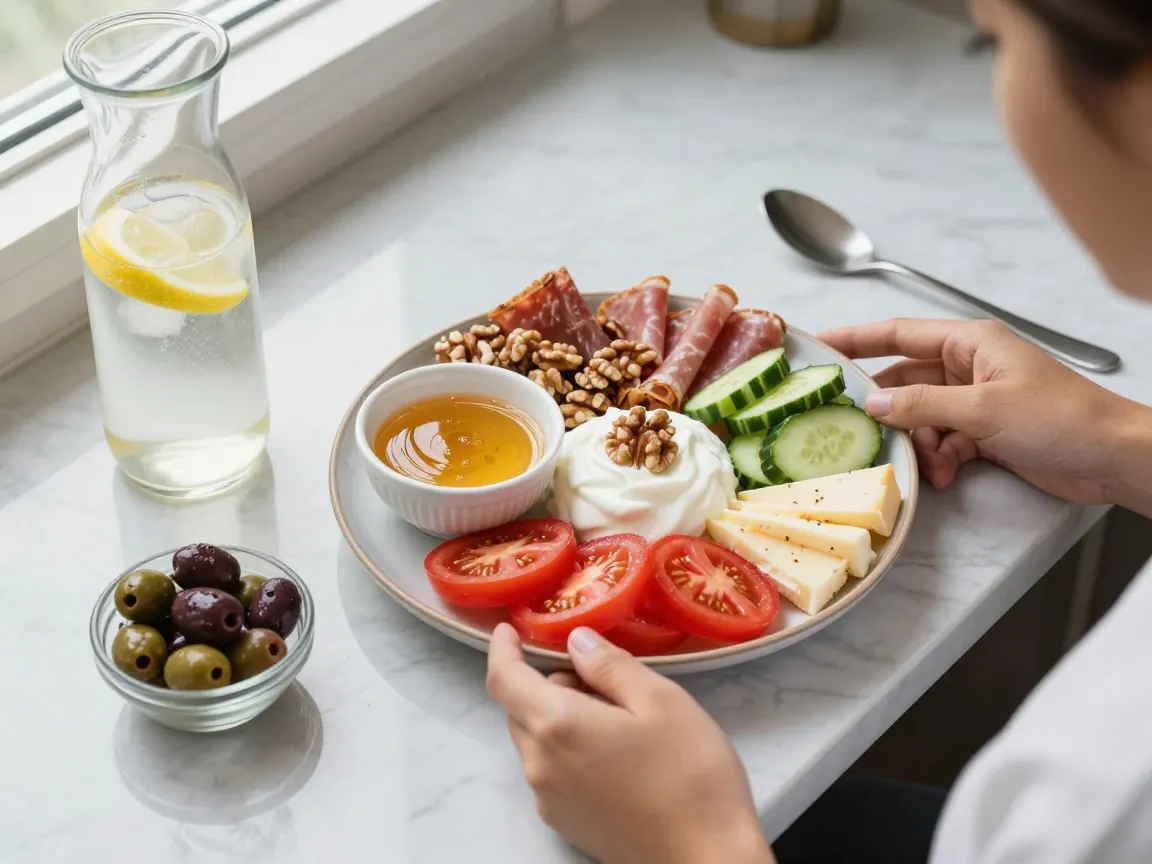
- A cold table: tomatoes, cucumber, olives, feta, cold cuts, good bread, butter, honey, fruit.
- Two or three hot items only: eggs in some form, a cheese pie, maybe a simple pasta or rice dish.
- Something for the children early, because they'll be awake before the adults.
- One dietary line per guest on the final count, collected in advance rather than asked at the table.
There's a wine question too. If you poured northern Greek reds at the wedding, some guests may still be talking about them. Naousa is famed for its exceptional red wines, foremost among them the Xinomavro varietal, according to Visit Greece's guide to Naousa. You can nod at that with one bottle on the table for the enthusiasts, but brunch is not the moment for a tasting. Coffee is the priority.
Our Corfu reception menu guide makes the same argument for the main event that applies here: a menu has to work for every table, not just the couple's.
If the wedding weekend includes a baptism as well, read the combined wedding and baptism planning notes before you brief anyone.
A timing sheet for guests leaving at different hours
Different guests leave at different times, and the brunch has to flex around that. Build the sheet below from your RSVP list, fill it in yourself, and send it with the invite. The times are an example only, based on a brunch that starts at eleven.
| Guest group | Arrival window | Departure plan | What they need from you |
|---|---|---|---|
| Early flight group | 11:00 to 11:30 | Leave by 12:15 for the airport | Coffee served on arrival; food available immediately |
| Core wedding party | 11:30 to 12:30 | Stay until 14:00 | Seating together; a table you can add chairs to |
| Children and parents | 11:00 to 12:00 | Leave after they eat | Quick hot food; a shaded corner |
| Evening-flight group | 12:30 to 15:00 | Stay until the venue winds down | Somewhere comfortable to sit; ongoing drinks |
| Locals | Whenever | Last to leave | Nothing; they'll manage |
Three practical rules sit behind the sheet. First, tell the venue the earliest departure time, not the average, so food is ready before the first taxi. Second, don't hold a seated service waiting for a full table; it punishes the people who showed up on time. Third, agree a clear end time with the venue, because a brunch that drifts into four in the afternoon becomes a lunch you didn't budget for.
The timing sheet also settles the hardest question, which is who to invite. If someone's flight leaves before the brunch starts, they aren't being excluded; the schedule simply doesn't fit them, and a note saying so is kinder than a late invitation they can't use.
What to confirm before you commit
Get the booking in writing, even for a small group. The details that cause trouble are rarely the food. They're the start time the venue can actually staff, the end time, whether the space is exclusive or shared with regular customers, whether children count toward the minimum, and what happens if rain moves everyone indoors. On that last point, ask where the indoor backup is and how many people it holds, in writing, rather than accepting a general reassurance.
If alcohol is served, ask who holds the licence and what the venue's own rules are for a morning booking. If the brunch is on a beach or at a site near antiquities, ask what permissions the venue already holds and which ones fall to you. We can't give you a threshold or a fee here, and anyone who does without checking your specific site is guessing. Confirm current requirements with the competent authority, whether that's the municipality, the parish, or the venue itself, and get the answer by email.
Our rule of thumb: if you can't walk from the guest beds to the brunch, think twice about holding it at all.
Planning questions
What time should a post-wedding brunch in Greece start?
Eleven in the morning or later, with the first hour treated as arrival time rather than a seated service. If your reception runs past midnight, an early start punishes the guests you most want there. Agree the exact slot with the venue first.
Should the brunch be near the guest hotels or near the airport?
Near the guest beds, unless most guests fly out at midday. A venue within a short walk of the accommodation removes morning transport for everyone. An airport location catches early departures but strands guests with evening flights.
What food should we brief for a recovery brunch?
Cold and simple: bread, tomatoes, cucumber, olives, cheese, cold cuts, fruit, plus continuous coffee and water. Add only two or three hot items such as eggs or a cheese pie, and arrange something for children early, since they wake before the adults.