Why the church and the venue should be chosen together
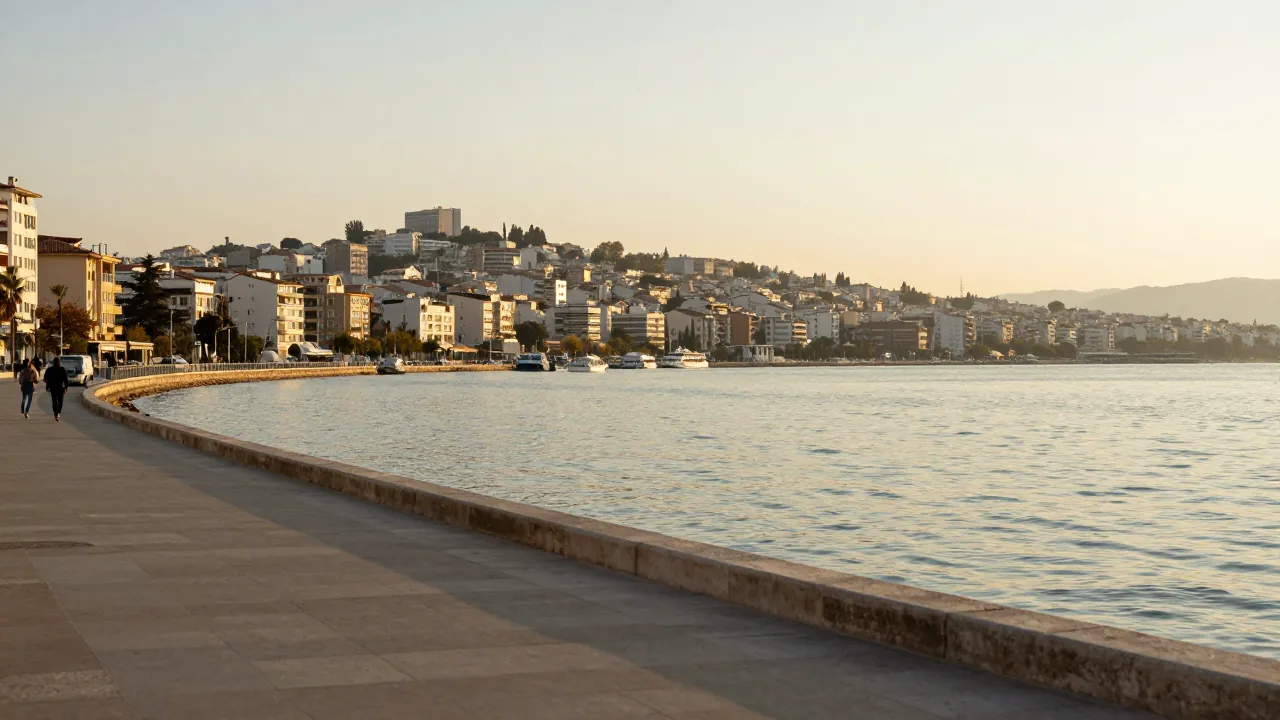
Most families book the church first, because the date and the priest set the whole calendar. Fair enough. But the church choice quietly fixes your traffic problem. A parish in the upper town or the old centre puts your guests into narrow streets and limited kerbside space; a parish on the eastern or western edge usually means easier arrival and a shorter hop to the reception. Neither is better in the abstract. What matters is the pair.
So run the two decisions in parallel, not in sequence. Shortlist two or three churches, then shortlist venues that sit within a comfortable drive of each, and only then fix the date. If the parish you love sits in a tight spot, your venue shortlist should skew to the same side of the city rather than across it. That one change in sequence removes a lot of avoidable stress.
The drive between them, measured at the right time of day
A route that is quick on a weekday morning can be far slower on a Saturday lunchtime, and that gap is what ruins a schedule. Do not trust a map application at the wrong hour. Ask someone to drive the exact church-to-venue route on the same weekday and at roughly the same time as your service, then write the number down.
Build the timetable backwards from that measured drive. Service ends, guests greet the family outside the church for a while, guests travel, guests arrive, and only then does the kitchen need them seated. Add a buffer for the late group, because there is always a late group. If the numbers do not fit, move the reception start later rather than cutting the church farewell short.
Parking is two separate problems, not one
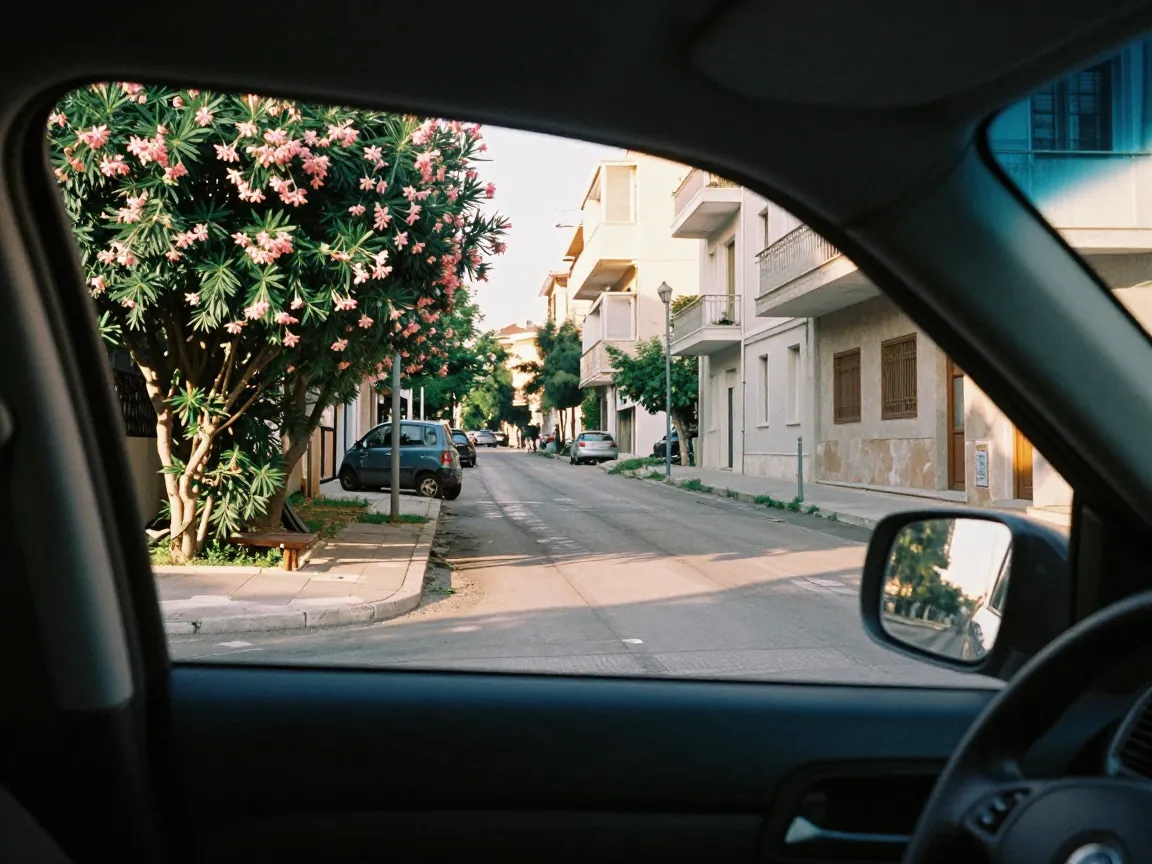
People say "parking" as if it were a single question. It is two. Church parking and venue parking have different solutions and different failure modes.
At the church, the realistic answer is often a nearby open lot or street parking on a side road a few minutes' walk away, with one family member standing there to direct cars. At the venue, the question is whether there is a dedicated lot or an arrangement with a neighbouring facility, and what happens when two events overlap. The listing is your starting point, not the final word.
| Question | Who answers it | When to ask |
|---|---|---|
| Does the parish have any parking arrangement nearby? | The parish office | When you book the date |
| Is there a lot at the venue, and is it shared? | The venue coordinator | Before you sign |
| What happens if another event runs the same day? | The venue coordinator | Before you sign |
| Where do cars actually go on the day? | Both, in writing in the contract | At contract stage |
| Who directs guests at each end? | Your own family or a hired attendant | Two weeks before |
Keep the sheet short. One row per question, one name per row. If nobody owns a row, that row will fail on the day.
A worked example of a child-focused venue
For families who want the youngest guests entertained rather than seated through a long lunch, one option in our directory is Mikrofyies Thessaloniki. The listing says it is a children's play center in the heart of the city, at Spartis 2 and Str. Napoleonos Zerva 2, and that it hosts birthday parties while providing entertainment for social events such as weddings and christenings. According to its listing, the team can also bring the entertainment to other locations, serving areas including Chania and Thessaloniki. That second detail is worth noticing: if the party is at a separate hall, the play element can still travel to you, which changes how you think about the venue's own address and its parking.
Read the listing, then ask directly what is included, what is extra, and who supervises the children. We do not verify suitability or availability for any listing, and a play center is not the right answer for every family. If your guest list is mostly adults, this is the wrong fit and that is fine.
The logistics sheet you actually hand out
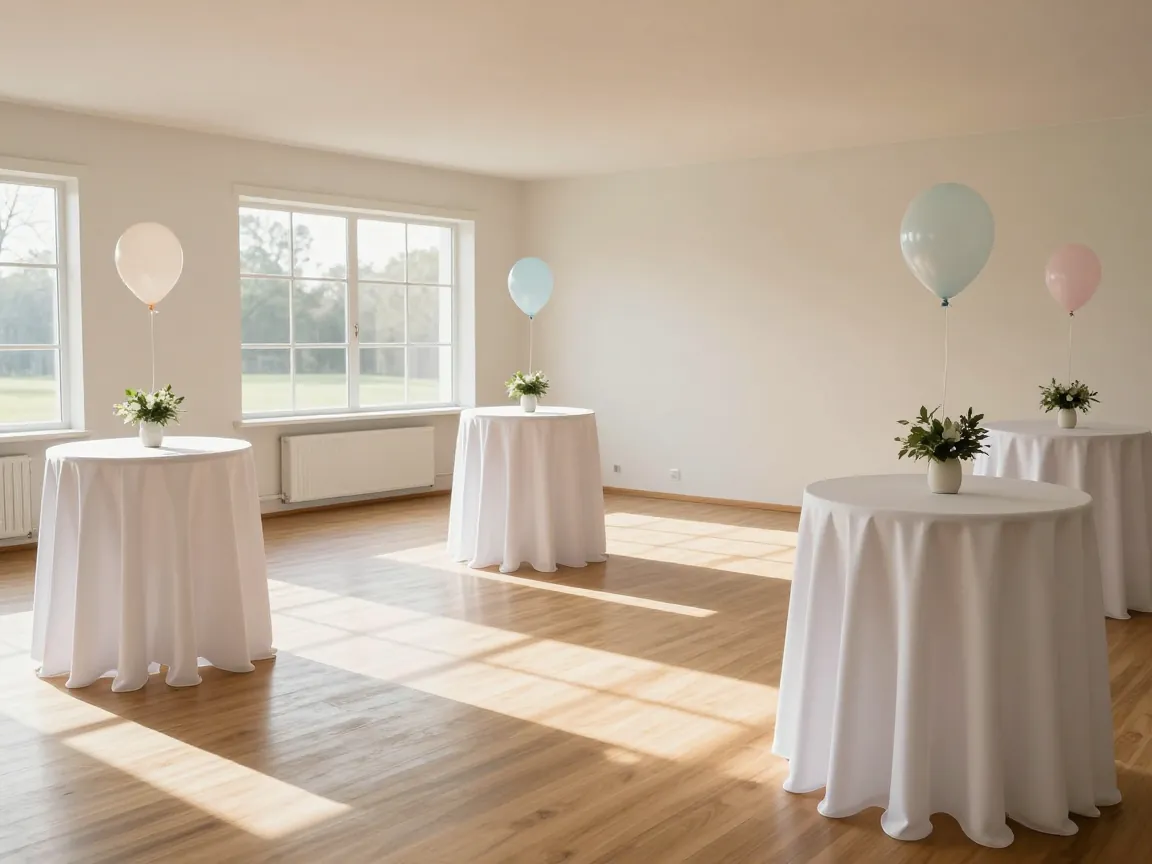
The document that saves the day is not a schedule. It is a one-page sheet that every helper, the photographer and the transport driver carries. It has five blocks and no prose.
- Church name, address, and the exact time the doors open.
- Service start and expected end, with a realistic cushion.
- The measured drive time between the two, with the day and hour it was measured.
- Venue name, address, and the time guests are expected to arrive.
- Parking instructions for each end, plus two phone numbers: one for the church end, one for the venue end.
Send it by message to your helpers a few days before, printed or on the phone. Then tell three people, not one, that they are the parking contacts, and give them a copy of the same sheet so the instructions match.
When several events share the same Saturday
Popular Saturdays go early. If your date is fixed and in demand, confirm the church slot and the venue slot in the same week, so you are not holding one without the other. Where the reception involves a museum or a cultural space with several rooms, the room allocation question is a planning job in itself, and our guide to museum event room hire explains what to pin down.
If your guest list mixes families, colleagues and friends who do not know each other, the arrival layout matters as much as the parking, and the room-flow notes in our piece on networking venue layout translate directly to a baptism lunch.
For anything involving the church, the parish sets its own practice on timing documents and what is permitted inside the building, so confirm current requirements with the parish office directly. For civil paperwork and anything the state registers, the competent registry office or consulate is the authority, not a website.
Tell us your headcount, your preferred date and whether the church is already fixed, and we will point you to the venue listings that fit the pair. If the date is open, say so too; that single detail widens the shortlist more than anything else.
Planning questions
Should we book the church or the reception venue first?
Fix neither in isolation. Shortlist a few churches, then shortlist venues within a comfortable drive of each, and confirm both slots in the same week. Booking the church first locks in a traffic problem you may not be able to solve later.
How do we estimate the drive between church and reception?
Have someone drive the exact route on the same weekday and at roughly the same hour as your service, then record that time. Never rely on an off-peak estimate from a map application, because weekend lunchtime traffic changes the number.
Who should handle parking on the day itself?
Name two parking contacts, one at the church and one at the venue, and give both the same one-page logistics sheet. Tell three people rather than one, so a single absence never leaves arriving guests without directions.