
What Law 5089/2024 changed, in plain terms
The European Institute for Gender Equality notes that Greek Law 5089/2024 legalised same-sex marriage and expanded anti-discrimination protections. That's the headline. In practice, it means a same-sex couple can contract a civil marriage under Greek law, and the ceremony is a civil one, performed by the competent municipal authority, not by a priest. The law concerns civil marriage; any religious rite is a matter for the religious community itself, so ask it directly if that matters to you. Our view: the legal change is the easy part to read. The harder part is matching the municipality's document list to what your home country will issue in time. Ask the registry office which documents it wants, in what form, and how recently they must be issued. Confirm current requirements with the competent authority before you book flights.
Civil ceremony versus symbolic ceremony: two different jobs
A civil ceremony creates the marriage. A symbolic ceremony looks like a wedding and creates nothing legally. Some couples from abroad want both, or want the symbolic one because the legal route looks slow. Here's how we'd choose. If you want your marriage recognised in Greece and in your home country, do the civil route first, in a municipality, then plan the celebration afterwards. If you want a specific setting, an island terrace or a private estate, and you're already legally married elsewhere, the symbolic ceremony gives you the setting without the registry queue. Read our comparison of a civil, religious or symbolic ceremony before you commit to a track, because switching later costs you deposits. Confirm locally whether your municipality requires residence, witnesses or a prior appointment, and ask your consulate what your home country will recognise.

The two-track planner: who confirms each step
Use this as a working sheet. The middle column matters most: someone owns each line, and it isn't you alone.
| Step | Legal civil ceremony | Symbolic ceremony | Who confirms |
|---|---|---|---|
| Eligibility to marry in Greece | Required | Not required | Municipality registry office |
| Documents from your home country | Required, often with translation and legalisation | Usually none, or a marriage certificate as proof | Your consulate and the municipality |
| Officiant | Municipal official | Celebrant of your choice | Municipality for the legal rite; venue or celebrant for the symbolic one |
| Venue | Where the municipality agrees to perform it | Any venue that hosts events | Municipality, for the legal list |
| Witnesses | Often required | Optional | Municipality |
| Certificate | Issued after the ceremony | None | Municipality |
| Timing | Set by the registry diary | Set by you and the venue | Municipality for the date, venue for the slot |
Two cautions. First, translation and legalisation can take longer than you'd expect, so start the document line before you lock a date. Second, the municipality's requirements can differ between one registry office and another, so treat any list you find online as a starting point, then confirm it with the office that will actually marry you.
Document reality for couples coming from abroad
Every couple's file looks different, but the sequence is fairly stable. You request documents at home. You get them legalised or apostilled if required. You have them translated into Greek by a translator the municipality accepts. You submit them, sometimes in person, sometimes through a representative. Our detailed walkthrough of civil wedding paperwork in Greece covers the order we'd follow, and it's the page we'd read first if the ceremony is months away. If your ceremony is in a smaller municipality, ask early whether anyone there handles foreign documents regularly. A registry office that does this often may move faster than one that doesn't. Confirm current requirements with your consulate and the municipality, and don't rely on a friend's experience from a previous year.
Choosing a venue when the law and the setting both matter
Beaches, archaeological sites and public spaces each come with their own permission chain, and we won't guess at the rules here. Ask the venue directly: can it host a legal civil ceremony on site, or does it only host the celebration after a registry office ceremony? A hotel ballroom, a private villa and a town hall garden are three different answers. If you're building the whole event around the ceremony, start with destination wedding venues in Greece and filter for places that state their ceremony arrangement in the listing. The listing says what the venue offers; it doesn't promise availability on your date, so ask. One practical test we'd apply: if the venue can't tell you in writing who officiates and where the legal part happens, keep looking.
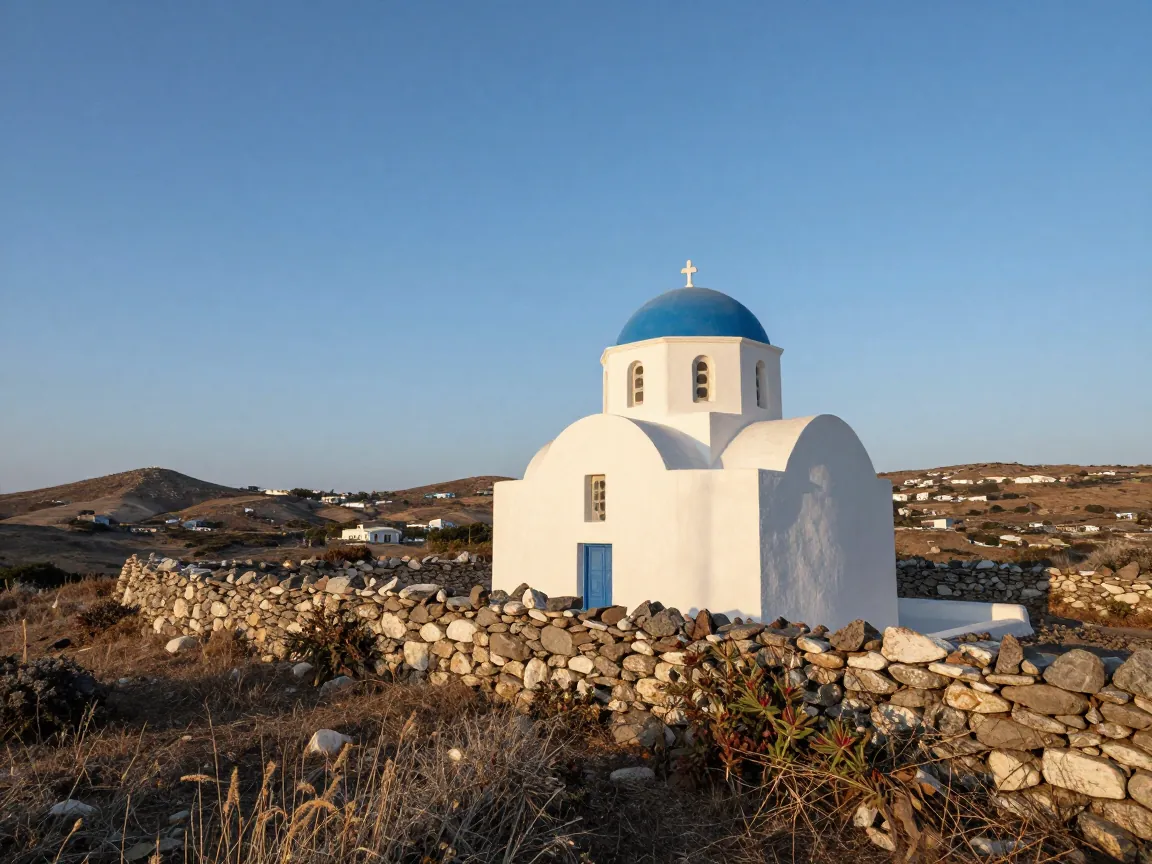
Ceremony logistics we'd lock before anything else
Order of operations, in our view: confirm eligibility and the document list with the municipality, then book the registry date, then book the venue, then book travel. Guest numbers come before all of it, because they set the venue shortlist. If you're planning a celebration of 80 guests, an example only, and the legal ceremony is a small municipal appointment the same week, tell the venue both numbers. Some places handle a small legal rite and a large party on separate days without friction. Others can't. Ask about the day of the week too: a municipal appointment on a Tuesday and a party on a Saturday is one way to split it, and it gives you a buffer if a document needs reissuing. Nothing on this page replaces the municipality's own instructions or your consulate's guidance on recognition at home.
What to send us when you start asking venues
Before you write to anyone, write down three things: the number of guests you expect, the month you want, and whether the legal rite and the party fall on the same day. Those three answers let a venue say yes or no quickly instead of trading six emails. If your guest list is still moving, give a range and say it's a range. If your date is flexible by a week either side, say so, because municipal diaries and venue calendars don't always line up on the first try. Ask each venue who officiates, where the legal part happens, and what it needs from you in writing. Then compare the answers side by side. A venue that answers all three clearly has probably done this before, and that matters more than the view from the terrace.
Tell us your headcount, your preferred month and whether you want the legal rite and the party on the same day. With those three details, venues that handle civil ceremonies can answer you directly, and you'll spend less time chasing places that can't.
Planning questions
Can same-sex couples legally marry in Greece now?
Yes. Greek law now allows same-sex couples to marry, and the route is the civil ceremony performed by the municipal authority. The document steps still run through the registry office and your own consulate, so confirm the current list locally.
Do we need the legal ceremony if we only want a celebration in Greece?
No, if you are already legally married elsewhere. A symbolic ceremony gives you the setting without the registry process. If you want the marriage recognised in Greece, take the civil route and treat the party as separate.
Who should we ask about the paperwork and the date?
Start with the municipality that will perform the ceremony, since registry offices can differ in what they request. Ask your consulate about recognition at home. Then book the venue once the legal date is realistic.