Why one room brief fails
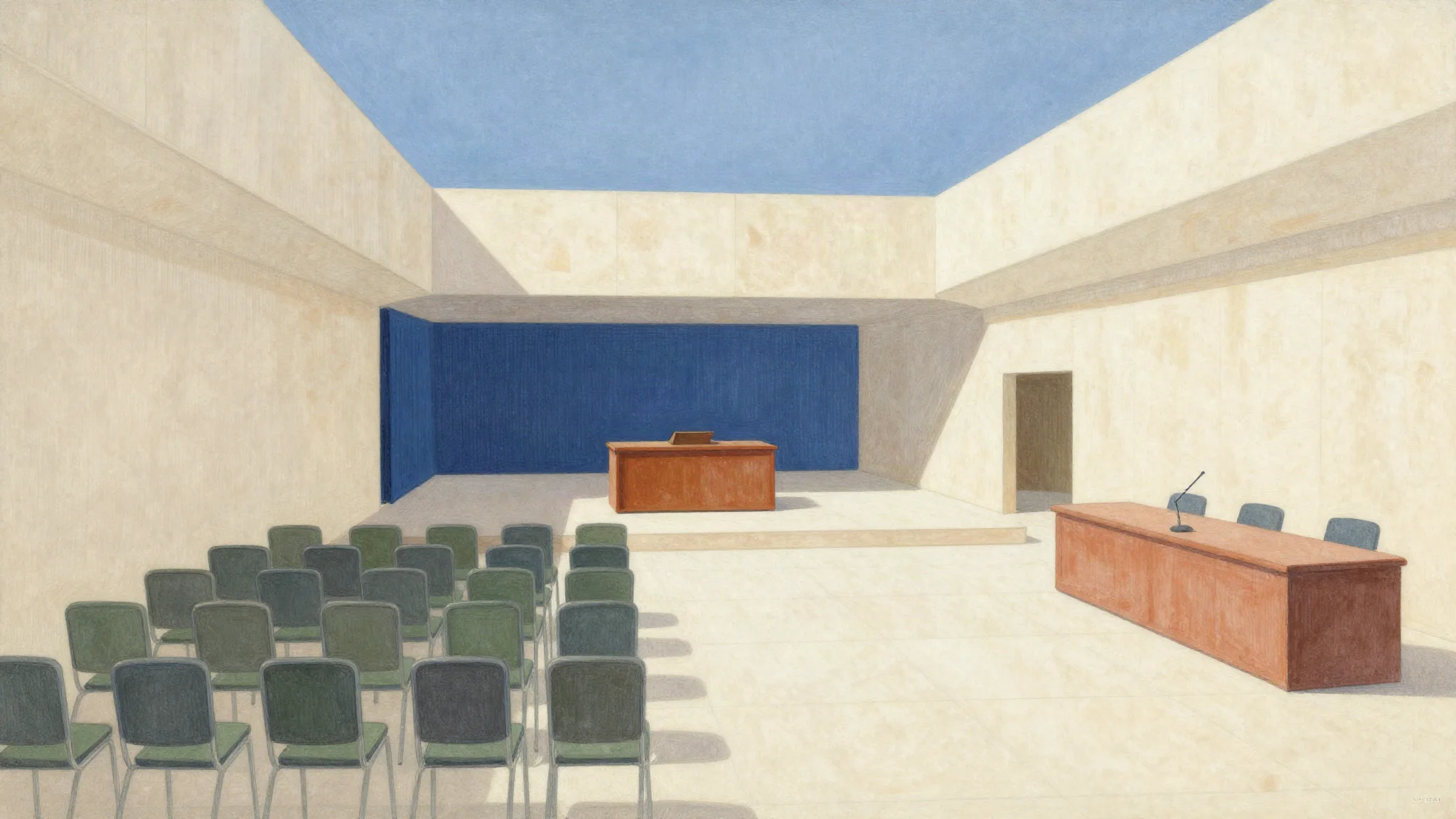
A single room brief often says something like "space for 200, stage, sound system." That sentence hides the conflict. In speech mode, you need clear sightlines to a lectern, a microphone that reaches the back row, and seating that faces one direction. In party mode, you need open circulation, a dance area, and music that doesn't blast the people trying to talk near the bar. The same square metres can't do both at once without a plan. If you're booking a venue from our event spaces collection, treat the two modes as separate events that happen on the same day.
The two-mode room brief
Write two columns. Left column: speech mode. Right column: party mode. Fill in the same categories for each. This forces you to notice where the requirements clash. Here's a template you can copy into a document and fill in with the venue.
| Category | Speech mode (example: 200 guests, seated) | Party mode (example: 200 guests, standing) |
|---|---|---|
| Seating | Rows facing stage; aisle for latecomers | Few or no chairs; lounge clusters |
| Stage / lectern | Lectern with fixed mic; screen visible from row 10 | Stage cleared or repurposed for DJ |
| Sound | Speech reinforcement; no feedback | Dance music; volume limits near neighbours |
| Lighting | House lights up; lectern lit | Low ambient; dance floor lit |
| Circulation | Wide centre aisle; clear exits | Open flow to bar, buffet, toilets |
| Catering | Water at seats; no food service | Buffet or stations; no blocked exits |
| Changeover | 20–30 minutes (example) | 20–30 minutes (example) |
| Production | Projector, screen, laptop, clicker | DJ booth, speakers, optional uplighting |
Notice the changeover row. That's the number you need from the venue. It's not a guess. Ask: "If we end speeches at 20:00 and want the party to start at 20:30, what exactly has to move, who moves it, and how long does it take?" If the answer is "the staff will handle it," ask for a written sequence. If the answer is "we've never done that," you've learned something useful before you sign.
What to ask about production
Production facilities aren't a yes-or-no question. A venue might have a stage but no understage access for cable runs. It might have a projector but no screen. It might have a sound system that's fine for background music but not for a spoken programme. Megaron's conference-centre description identifies stage and understage infrastructure, which shows why production facilities need their own assessment (Megaron: the building). That's one example of how a venue describes its technical side. For your own venue, ask these questions and write the answers in your two-mode brief:
- Where does the projector sit, and can it be seen from the back row?
- How many microphones are included, and what type?
- Is there a dedicated power supply for AV, or do we share with catering?
- Can we hang banners or signs without damaging walls?
- What's the load-in route for equipment, and are there stairs?
- Is there a green room or quiet space for speakers before they go on?
If the venue can't answer, ask for a contact who can. The answers belong in the written quote, not in a verbal promise.
The changeover question
Changeover is where most graduation events lose time. The committee plans a tight schedule, then discovers that flipping the room takes 45 minutes, not 15. The example below is hypothetical, not a market norm: suppose speeches end at 20:00 and the party is booked to start at 20:30. If the venue needs 45 minutes to reset, you have three options: start the party later, move the speeches earlier, or plan the party in a different area so no reset is needed. Each option has a cost. Starting later might mean paying staff overtime. Moving speeches earlier might mean guests arrive during the speech. Using a different area might mean two rental fees. None of these is automatically wrong, but you can only choose if you know the changeover time.
Ask for the changeover sequence in writing. It should list what moves, who moves it, and the estimated minutes. If the venue can't provide it, ask if you can bring your own crew. If the answer is no, that's a constraint, not a deal-breaker, but it belongs in your brief.
Accessibility across both modes
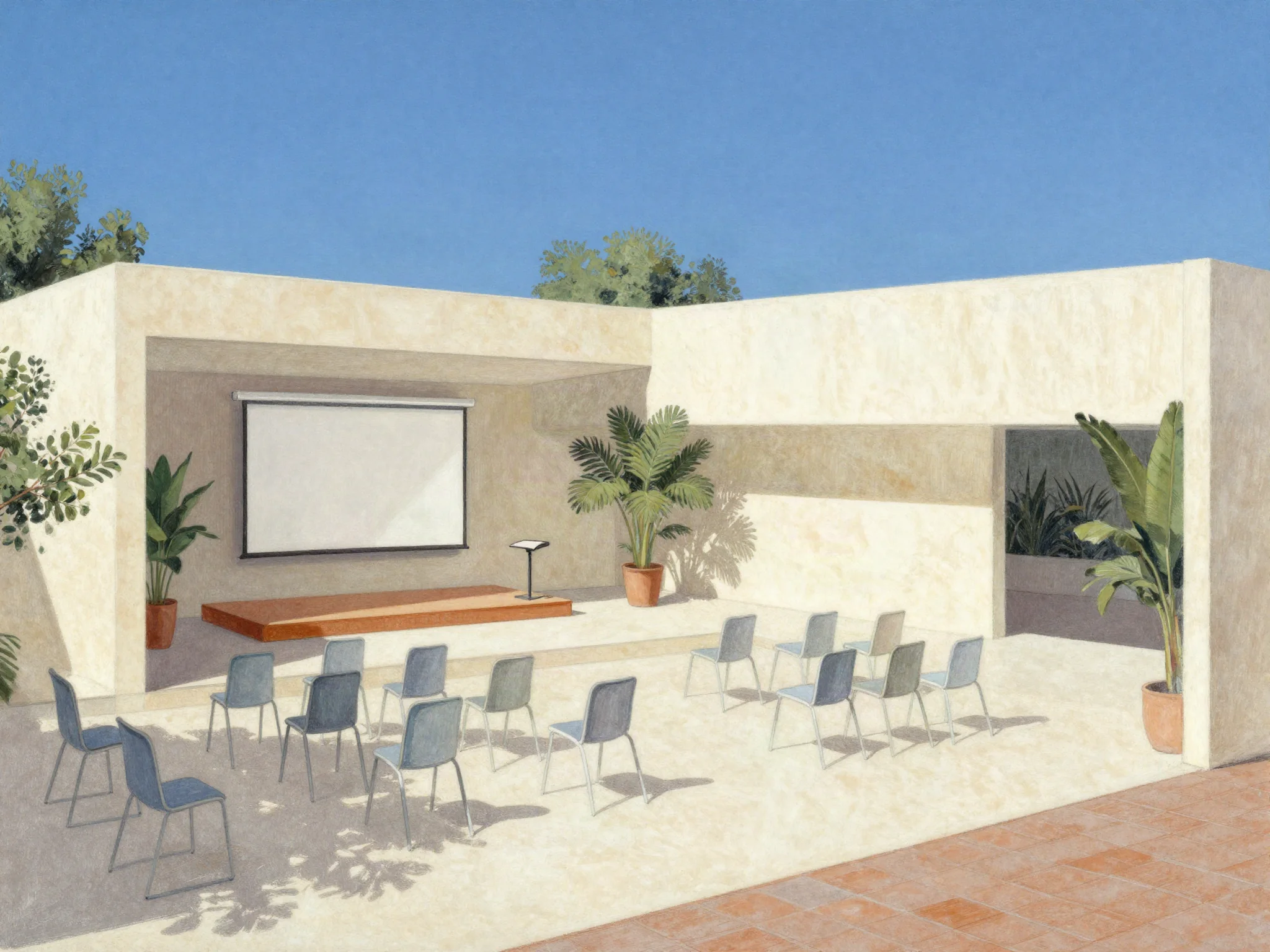
Accessibility isn't a separate checklist. It's part of both modes. In speech mode, can a wheelchair user reach a seat with a clear sightline? In party mode, is the route to the bar and toilets step-free? If the venue has temporary ramps, who installs them and when? Write the answers in both columns of your brief. A room that works for speeches but not for the party isn't a failure. It's a room that needs a different plan, maybe a different area for the party or a different venue altogether.
Budget and the written quote
Your two-mode brief becomes the basis for comparing quotes. Don't ask for a single price. Ask for a quote that separates the speech setup, the party setup, and the changeover. If the venue charges a single hire fee, ask how it accounts for the extra labour and time. For any quote, confirm whether tax is included and what amount it applies to. If the quote says "tax as quoted," ask which part of the total that covers. Never assume a verbal answer is final.
What to send to venues
When you contact venues, send your two-mode brief as a single document. Include the example guest count (make clear it's an example), the date, the speech start and end times, the party start and end times, and your changeover question. Ask for a written quote that separates the two modes and includes changeover. Ask about availability at the same time. Don't ask for a site visit before you've seen the written answers; the answers will tell you whether a visit is worth the trip. If a venue can't answer the changeover question in writing, move to the next one. You're not being difficult. You're planning two events that happen to share a date.
Two useful next steps: A gala dinner room must work from the back table and Conference capacity: ask for the layout, not just the number.
Planning questions
What exactly should the changeover question ask the venue?
Ask what has to move, who moves it, and how many minutes it takes between speech mode and party mode. Request a written sequence, because a verbal promise is not enough for planning.
Why write two separate briefs instead of one room brief?
One brief hides the conflict: speeches need sightlines and microphones facing one direction, while the party needs open circulation and music. Two columns force you to notice where requirements clash on the same square metres.