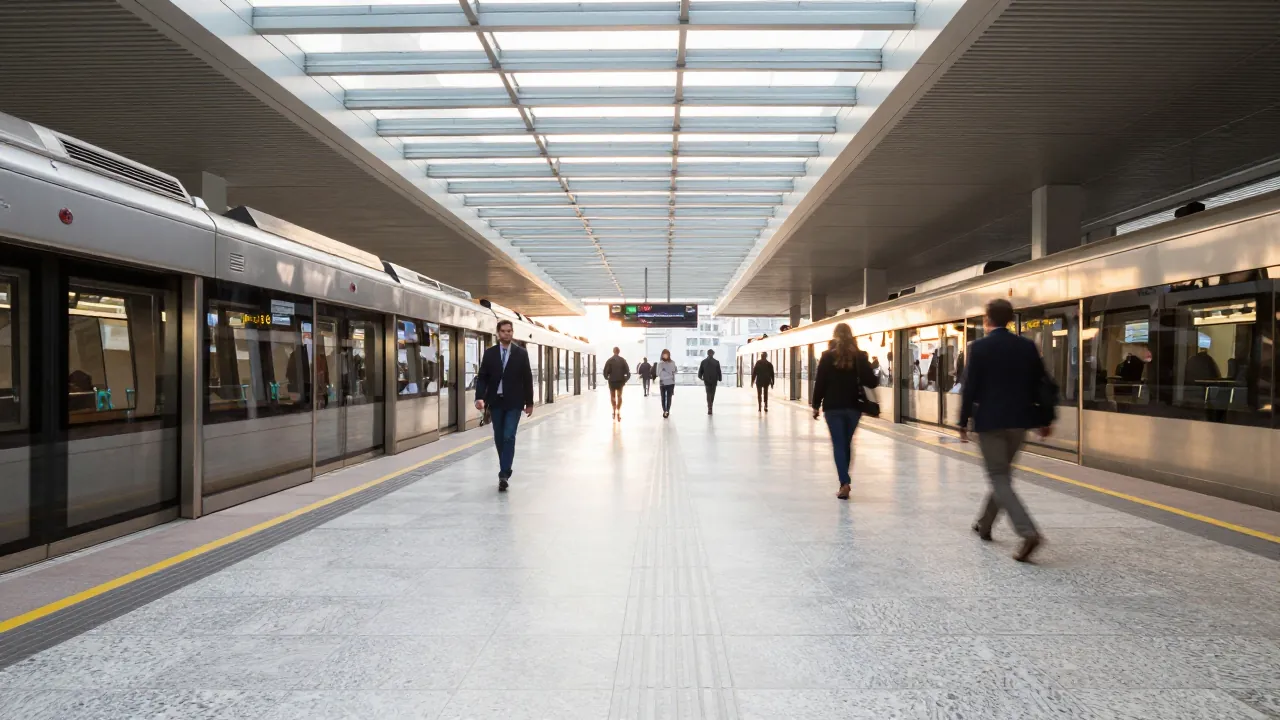
Read the nearest station before the room capacities
Most venue listings lead with square metres and seated capacity. We'd flip that. Open the map first and ask which station exit a delegate actually uses, because a venue 400 metres from Syntagma is a different proposition from one 400 metres from a quieter stop with one working exit.
Line 3 is the workhorse for airport arrivals, running from the airport through the centre. Other lines cover the rest of the centre, and interchange stations can get crowded. A morning plenary start of 09:00 means delegates riding Line 3 from the airport are sharing carriages with commuters if they travel late; an earlier run, or a hotel near the venue the night before, removes that risk.
Ask the venue three questions before you commit: which station is closest, which exit, and how long the walk takes at a normal pace. Get the answers in writing. A venue's own website may name the station but not the exit, and the exit is where groups of twenty get separated.
Step-free access is a route, not a ramp at the door
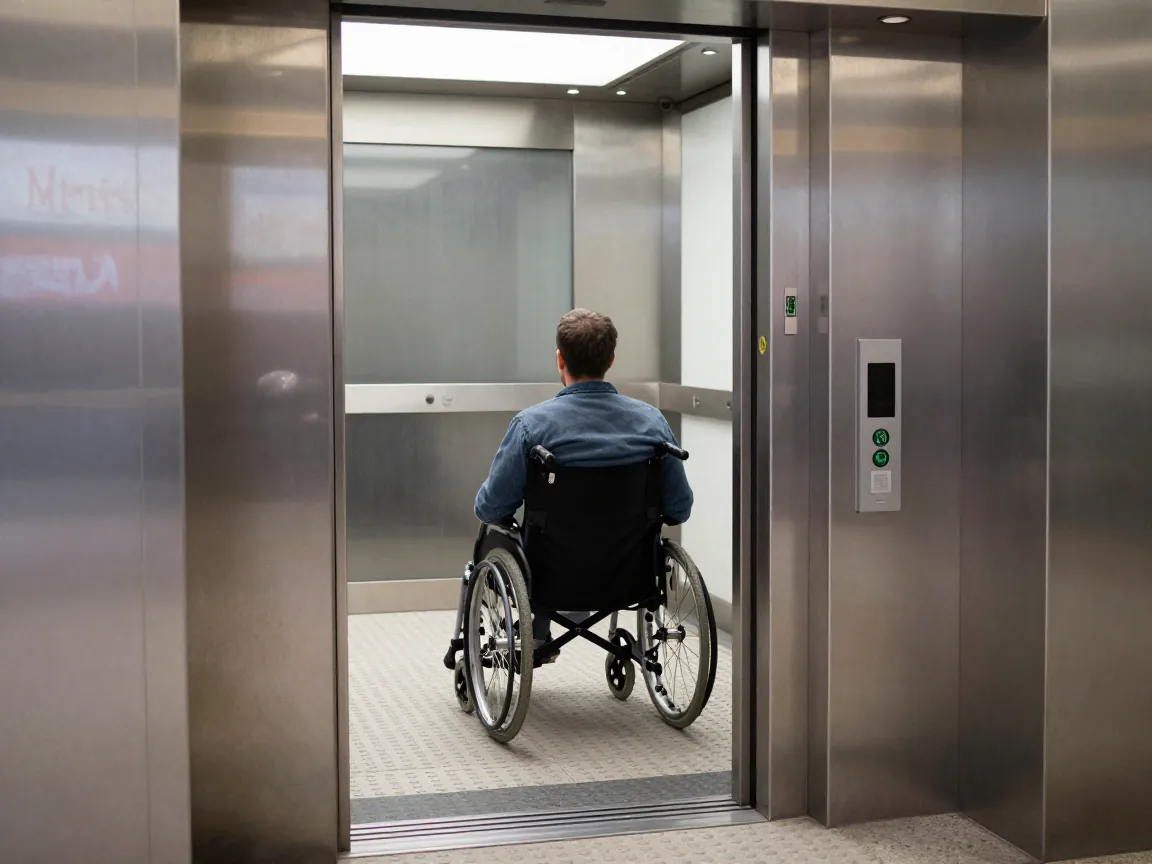
A step-free entrance at the venue means nothing if the station exit is a staircase. Treat the accessible route as one continuous path: platform to lift, lift to street, street to venue door, door to the room where sessions happen. The guide to planning accessible events sets out why we ask venues to describe the whole chain rather than one feature.
Write down what you need confirmed: lift availability at the named station, the width of the pavement between exit and entrance, and whether any of it is cobbled. Athens pavements vary street by street, and a wheelchair user or a delegate with a walking frame will notice a rough surface that an able-bodied organiser walks straight past.
If the venue cannot answer, ask the metro operator. Accessibility provision changes with works and lift maintenance, so confirm current requirements with the operator or the competent authority for your date rather than relying on a page you read months ago.
Brief delegates with one line they can follow
Delegates do not read long travel notes. They read the first two lines and then ask a colleague. So put the station and the line in the confirmation email, above the agenda, and repeat it in the reminder the day before.
Keep the wording plain and identical across every message. If you change the exit between emails, someone will follow the old one. Here is the template we'd use, filled with hypothetical details as an example:
| Field | What to write |
|---|---|
| Station and line | Syntagma, Line 3 (example) |
| Which exit | The exit signed for the square, not the side street exit |
| Walking route | Straight across the square, then second left at the pharmacy |
| Walking time | Say ten minutes, an example figure only; verify it yourself |
| Step-free option | Lift at the station, then a level route to the door |
| Late return | Confirm the last train time for your date with the operator |
| Fallback | A named taxi rank, and the venue phone number |
Two lines of that table do the heavy lifting: the exit and the step-free option. Everything else is reassurance.
The last-train question decides your evening programme
A conference dinner that ends at 23:30 can strand a delegate who assumed the metro ran all night. Don't assume it does. The exact last departure varies by line and day, so we never publish a time in the delegate pack. Ask, then print.
So build the evening backwards. If you want a seated dinner finishing at 22:30, check the last useful departure from the nearest station, then work out when the programme must close. If the numbers don't fit, move the dinner closer to the hotels or arrange coaches. A shuttle from the venue to two or three hotel clusters can cost less than losing half the room at 22:00 because the trains stop.
The operator is the only source that matters here. Timetables shift with engineering works, public holidays and seasonal changes, so put the question to the operator for your specific date, and tell delegates to check again on the day.
Arrivals from the airport need their own paragraph
Not everyone lands at the same hour. Delegates on early flights can sit in the lobby for hours; delegates on late flights miss the opening session. The plan for uneven arrivals deals with that spread, and the metro is part of the answer.
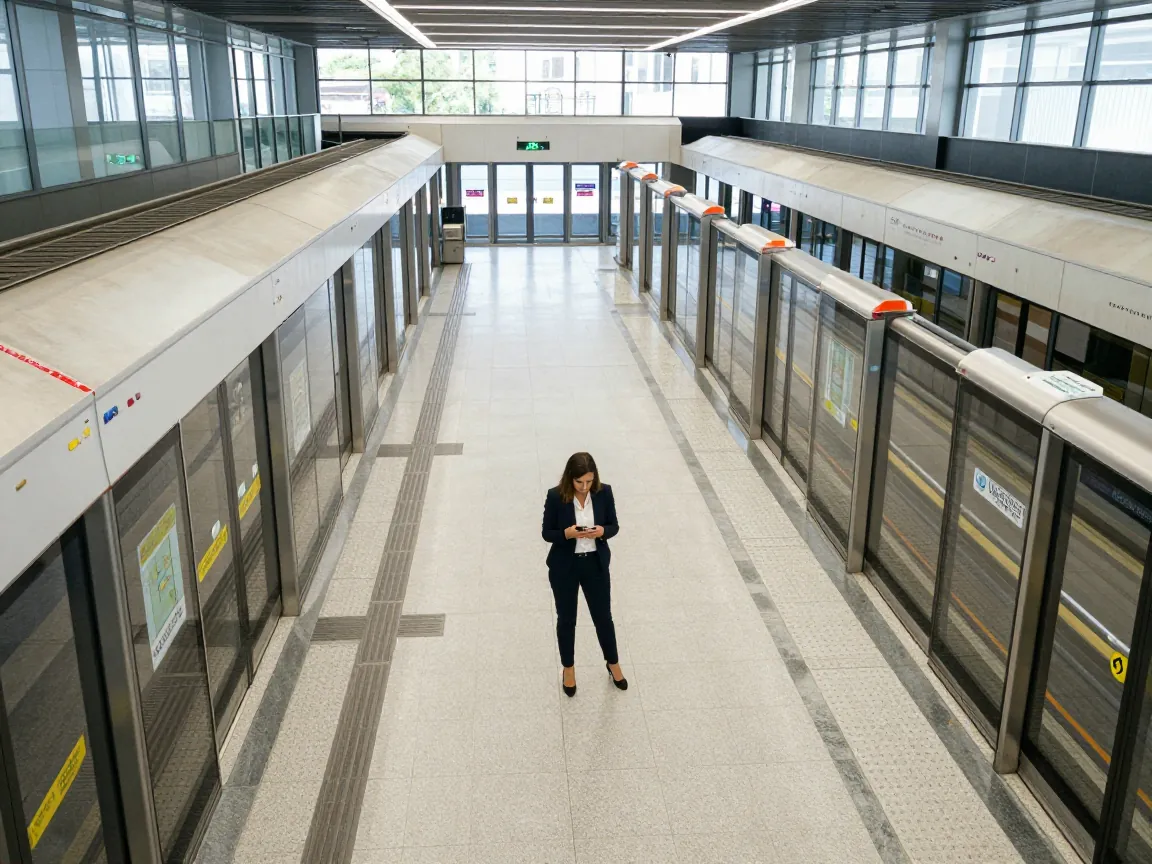
A venue on Line 3 gives you a simple rule to give delegates: stay on the train until the named station. No changes, no platforms to find. That single instruction is worth more than a page of directions, especially for delegates arriving in a second language.
If the venue is off Line 3, plan the change for them and name the interchange. Delegates who have to work out a change at a busy station with luggage will arrive stressed, and stress shows in the first session.
Small rooms, short walks, honest trade-offs
Not every session needs the main hall. Breakouts in a nearby meeting room in Athens can keep a workshop group together while the plenary continues, and the walk between the two is part of the experience. A breakout room fifteen minutes away on foot splits your delegate pool.
Our trade-off: a central venue near an interchange can cost more and be noisier than one three stops out. We'd still take the central one for a one-day conference, because delegate time is the budget you can't top up. For a multi-day event with a strong social programme, the quieter stop can win, provided you run coaches for the evening.
Whichever you choose, ask for the venue's own written directions and compare them with the operator's current information. Where the two disagree, trust the operator and confirm the current requirements with the competent authority before you publish anything to delegates.
Send us your headcount, your date and the shape of your programme, and the venues near the right station can answer with directions your delegates can actually follow.
Planning questions
Should I choose an Athens venue based on the nearest metro station?
Yes, treat the station as a shortlisting filter before capacity. A venue within a short walk of a named exit keeps delegates independent and cuts taxi logistics. Ask for the station, the exit and the walking time in writing, then verify the route yourself.
How do I handle the last train after an evening programme?
Ask the operator for the last useful departure from your station on your date, then close the programme early enough to catch it. If the timing fails, move dinner nearer the hotels or run coaches, and never publish a fixed time without checking.
What belongs in delegate directions for a metro-based venue?
Name the line, the station, the correct exit and a short walking route. Add the step-free option, walking time, a taxi fallback and a reminder to check service on the day. Keep the wording identical in every email you send.