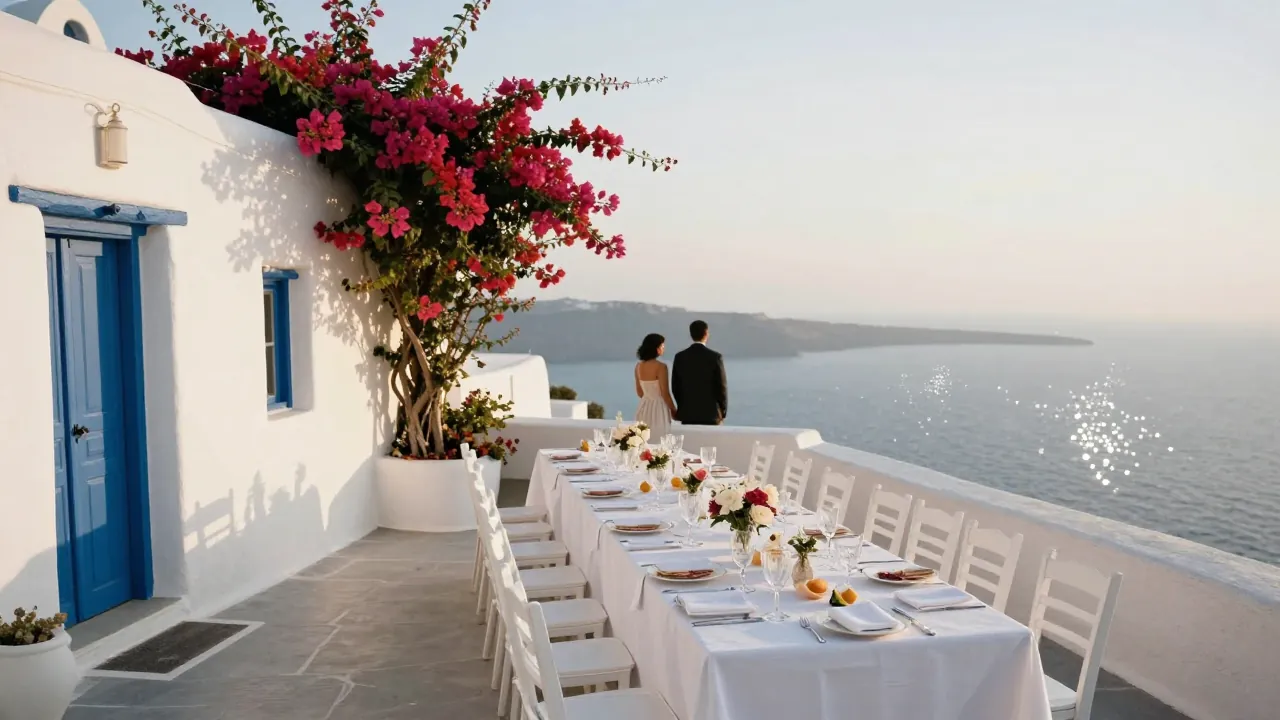
What the guide has to cover before it becomes a group chat problem
The guide exists to answer questions that have one correct answer, so nobody has to ask you twice. Treat it as four chapters: arriving (air, sea, road), staying (address, check-in, who's where), doing (dress, heat, timings) and paying (cash, cards, tips).
Write it in the second person and name the specific default choice. Not "there are several airports" but "fly into Athens, take the metro or the Airport Express bus to Syntagma, and stop asking us which one is better." The Athens public transport operator OASA says its Airport Express bus lines run around the clock and connect the airport with Syntagma, Piraeus, the intercity bus stations and Elliniko, so your late-arrival guests have a documented option at any hour. Confirm current routes, timetables and fares with OASA or your transfer company before you publish your version.
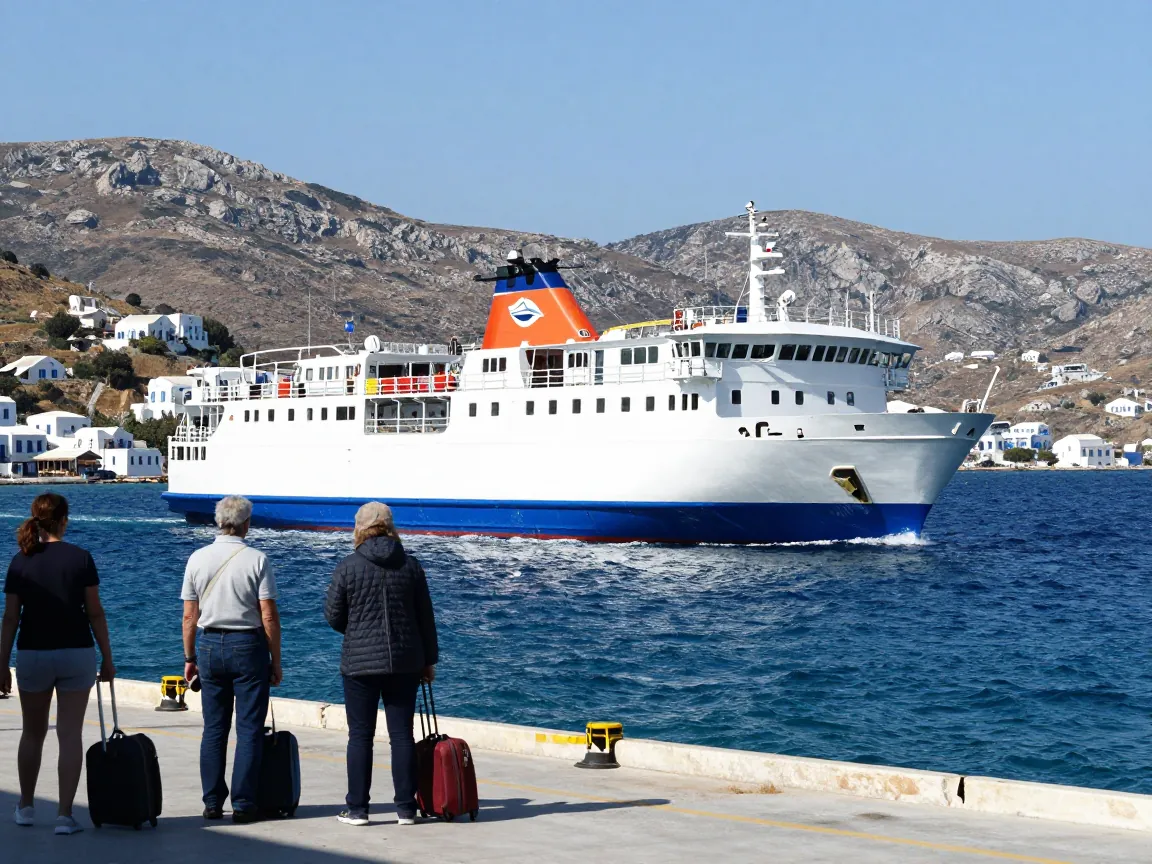
For the island end, assume your guests know nothing about Greek ferries. Give them the port name, the operator's own booking site (not a resale platform), and one sentence on what happens if the sailing is cancelled. Then say who to contact: the operator, not you.
The fill-in outline we hand to couples
Copy this into a document, fill the right-hand column, and delete anything that doesn't apply. Anything you can't answer yet, write "confirmed by [month], from the venue", which is better than silence.
| Section | What to write |
|---|---|
| Header | Couple's names, wedding date, one-line location (“Ios, Cyclades”) |
| Dates | Arrival window, wedding day, optional day-after gathering |
| Flights | Nearest airport, airline routes you know of, advised arrival day |
| Airport to port or hotel | Named options: taxi, pre-booked transfer, bus, metro, ferry |
| Ferries | Operator, route, crossing duration from the operator's site, foot vs vehicle |
| Accommodation | Hotel name and address, check-in time, block booking code if used |
| Local transport | Taxi app or phone number, who drives guests on the day, return plan |
| Dress code | One line plus footwear guidance for cobbles, gravel or sand |
| Heat and sun | Ceremony time, shade plan, water, what to bring |
| Money | Card acceptance in the area, ATM location, tipping note |
| Contacts | Venue phone, planner name, one guest captain for questions |
| Deadlines | RSVP date, dietary note date, transfer sign-up date |
Two rows do most of the work. The return-plan row stops the 1am "how are we getting back" conversation, and the guest captain row gives people a human to ask instead of you. Pick the loudest, most organised friend and brief them in advance.
Venue and hotel questions: route them, don't absorb them
Ask your venue and hotel what they will handle directly. The split we'd aim for: the hotel answers room questions, airport pickups and late check-in; the venue answers ceremony timing, accessibility and whether cars can reach the door. Where a hotel is also the event base, that matters. PARK HOTEL Thessaloniki, for example, is a central Thessaloniki hotel whose listing says it has modular conference rooms for up to fifty participants with whiteboards, easel pads and projectors, which suggests a hotel used to organised groups. That's the sort of property you can point guests to and let the front desk field the questions.
Put both phone numbers in the guide, in the document, not only in a chat thread that scrolls away.
Flights, ferries and transfers: writing the travel section once
Give one primary route and call it the recommended one. Then list alternatives for people who arrive early, arrive late or refuse to fly. Budget lines and connections change constantly, so don't print fares; print the decision instead. For a fuller picture of how transport choices shape the whole budget, our guide to why a Santorini wedding budget needs a transport line explains the pattern, and the same logic applies on any island.
On multi-stop islands, be blunt about geography. If the ceremony is on one side of the island and the hotel strip is on the other, say so and say who is driving. Our notes on why one Rhodes address is not enough to plan an island wedding make the point that a single pin on a map can hide a long transfer.
For the wedding day itself, name the vehicle, the pickup time and the pickup point, and put one person in charge of the list. Guests will not read a spreadsheet; they will read a WhatsApp message that says "bus leaves the hotel at 5.10pm, name on the list at the desk."
Dress, heat and money in plain language
Dress code: one line, one concession. "Cocktail, but the ceremony is on gravel, so block heels or flats." That's it. Guests want permission to be comfortable, and many Greek island venues are outdoors, uneven, or both.
Heat: give the ceremony time and the shade plan. Mid-afternoon July ceremonies on an exposed terrace are hard on older guests and small children, so tell people to bring water, a fan and a hat, and tell them whether the venue provides shade. Ask the venue and your planner what happens if a heat warning is issued, and confirm any official guidance with the competent authority closer to the date rather than relying on a guide written months earlier.
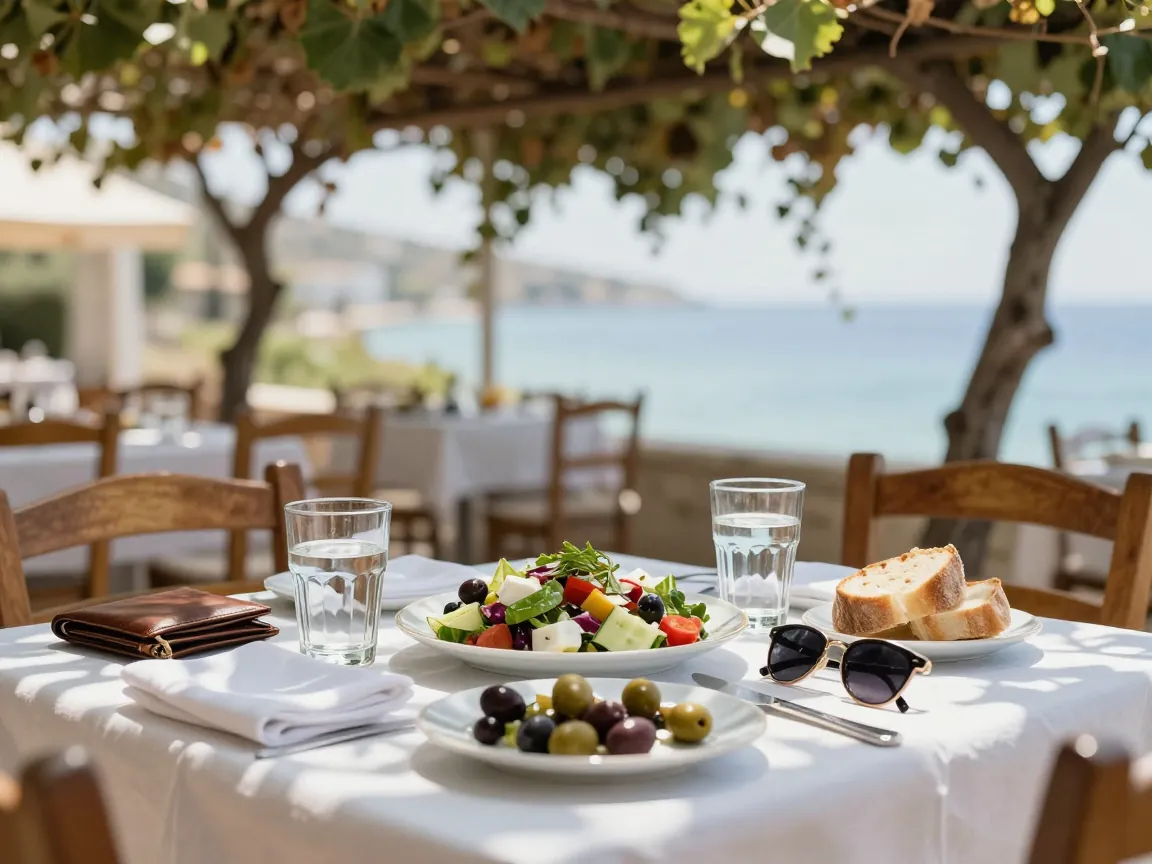
Money: tell guests whether the area runs on cards, and where the nearest ATM is. Say plainly whether tips are expected at restaurants and whether they need cash for taxis or the boat to the beach. Don't quote exchange rates or fees; they move.
Be realistic: a long guide gets skimmed, and some guests will only read the top. So make the first page the essential page, and put everything else below a line that says "the boring but useful bits".
Your first draft in one sitting
Block ninety minutes, open the template, and answer only what you know today. Then send the guide a fortnight before the first guest flies, and a shortened version on the wedding week message. If any section needs a fact you don't have, write the question you'll ask the venue and answer it when they reply.
Send us your headcount, your date and your rough guest profile (families, older guests, a big group flying from one city) and we'll point you to venues whose listings match how your people actually travel.
Planning questions
When should we send the guest travel guide?
Send the full guide about two weeks before the earliest guest flies, then a short reminder on the wedding week. Anything guests must book, such as ferries or transfers, should go out earlier, once your venue and hotels have confirmed the practical details.
What should we tell guests about heat at an outdoor ceremony?
Give the ceremony time, describe the shade situation, and suggest water, a hat and a fan. Ask your venue what happens if a heat warning is issued, and tell guests to follow official guidance from the competent authority rather than assumptions in the guide.
Should we arrange transfers or let guests book their own?
For the wedding day itself, organise the transport and name one person who holds the list. For airport and port arrivals, give guests the options and let them book, unless your headcount is small enough that a single vehicle makes sense.