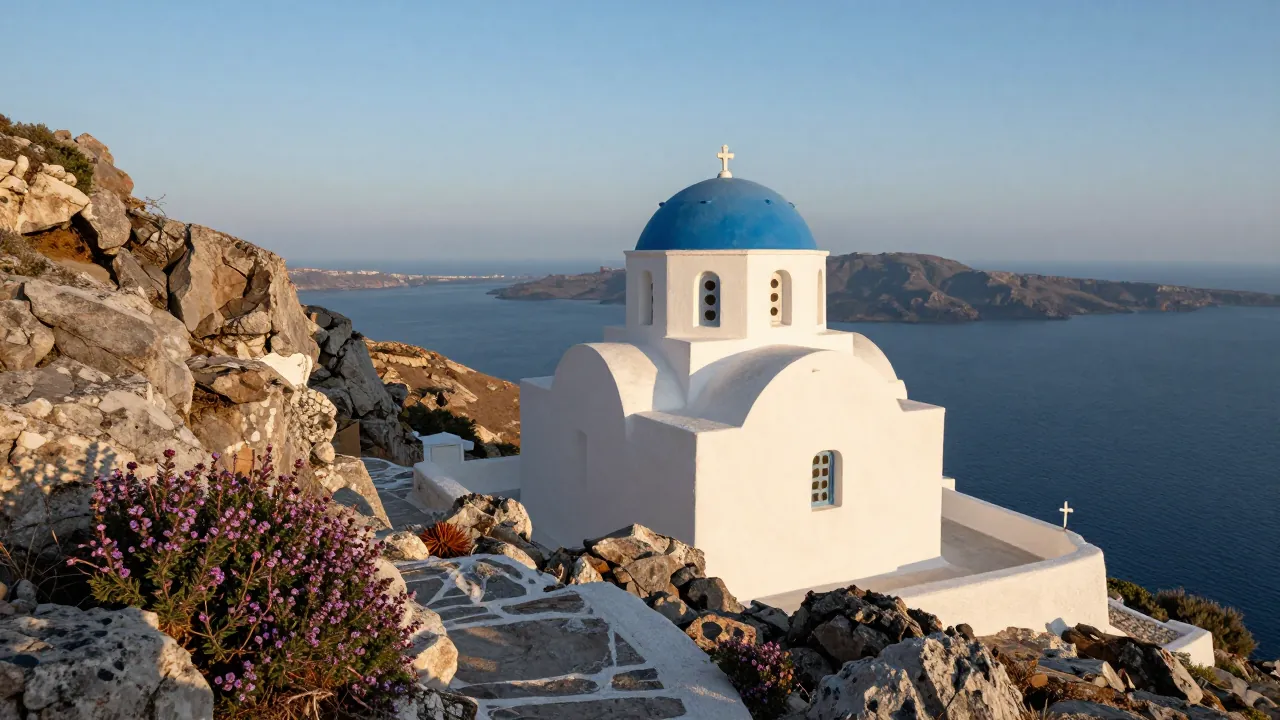
Greek public holidays that move every year
Greece keeps a fixed set of national holidays and a movable set tied to Orthodox Easter. Clean Monday, Good Friday, Easter Sunday and Easter Monday shift with the ecclesiastical calendar, which means two retreats planned twelve months apart can sit in completely different seasons. The fixed ones are easier: 1 January, 6 January, 25 March, 1 May, 15 August, 28 October, 25 and 26 December. Labour Day is sometimes moved by ministerial decision when it clashes with Easter, so treat 1 May as movable in practice until the year's decision is published. Ask the venue and your ground handler to confirm which day the local parade or closure actually falls on. Easter itself is a local event as much as a date: Visit Greece describes how, on Easter Day at Meteora, tradition takes centre stage with the paschalogiorta, or Easter festivities, and feast days elsewhere can make a town busier than the calendar suggests.
Movable dates also change the shape of the working week around them. When Easter falls late, the spring shoulder season shortens and June fills faster. When it falls early, late April and early May can still be cool and wet in the north, which matters if part of your programme is outdoors. Neither pattern is good or bad on its own; it just changes which venues and suppliers are realistic. Put both the fixed and movable dates into one calendar before you approach anyone, and note which of them fall inside your arrival and departure days rather than only the main event day.
One more thing worth checking early: Greek school holidays often overlap the same weeks, so family travel competes for the same rooms and ferries. If your retreat includes guests bringing partners or children, that overlap matters twice over. Ask the venue whether it holds blocks for group bookings during school breaks, and whether those blocks release earlier than usual. A short written answer here saves a lot of email later.
Why mid-August is the hardest week to negotiate
15 August, the Assumption, is the one date to avoid for a corporate retreat unless the brief is deliberately family-inclusive. Coastal hotels and ferry capacity fill with Greek holidaymakers, and many Athens-based suppliers, photographers, AV crews, translators, may work with skeleton teams. If your event must sit near 15 August, lock accommodation and transport first and build the programme around what stays open, not the other way round.
The week either side of 15 August behaves differently from the day itself. Ferries and island hotels are tightest in the days before, while Athens can feel unusually quiet as residents leave. If your retreat is city-based, that quiet can work in your favour for venue availability, but it also means fewer technicians, drivers and translators on call. Ask each supplier directly which days they close, and get the answer in writing rather than assuming the national holiday is the only closure.
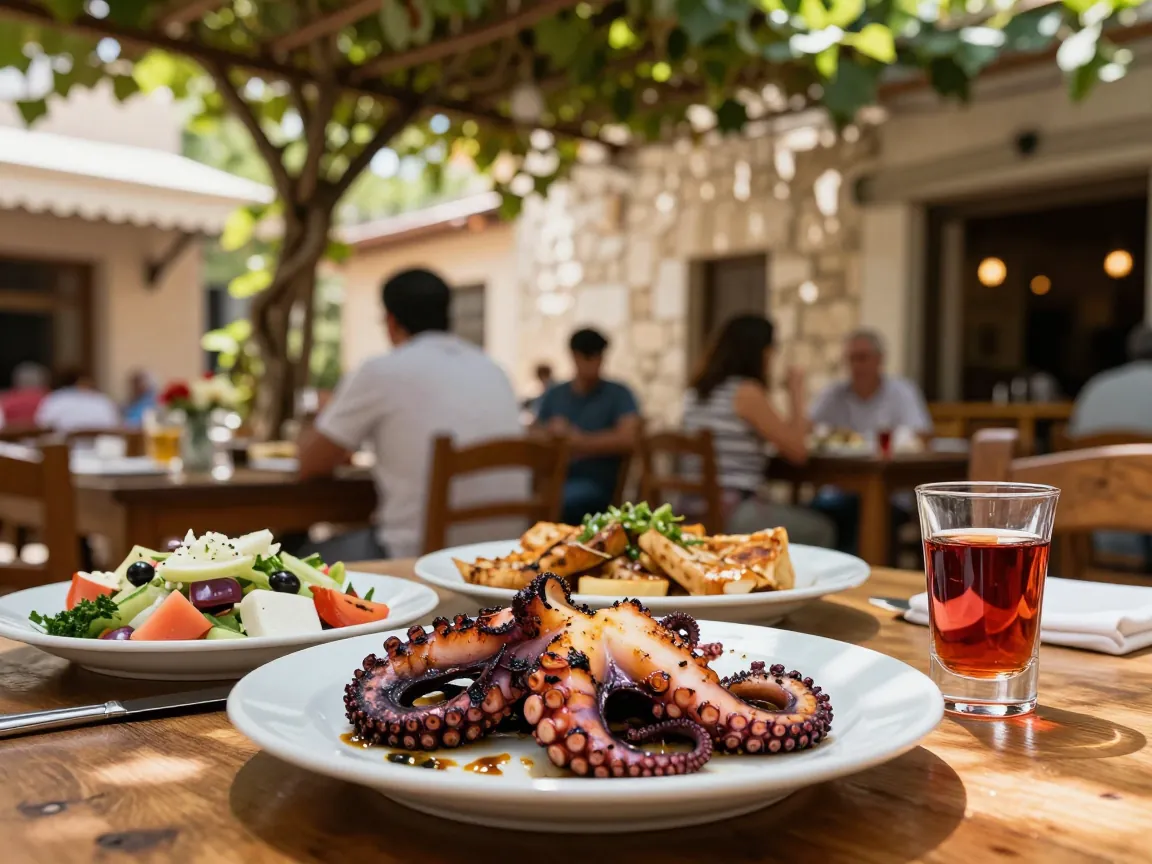
Name days and local feast days that close a village
Most Greek towns and villages have a patron saint and a panigyri, a feast with a liturgy, food and often amplified music into the night. A name day for a widely celebrated saint can empty an office or fill a church courtyard. For an event, the practical questions are: is there a procession route near the venue, is there a municipal sound permit for the square, and does the local parish expect the venue to pause amplified sound during the liturgy? Nobody can answer those from a desk in another country. Confirm current requirements with the municipality, the parish and the venue, because local practice changes and no blog, including this one, can state it as fixed.
Name days are personal as well as municipal. If your Greek counterpart, host or keynote speaker shares a name with a widely celebrated saint, their working day may already be spoken for. It costs nothing to ask early, and it avoids a programme built around someone who was never going to be there. The same applies to drivers, guides and venue staff you have come to rely on.
Weddings face the same question in reverse, and the same logic runs through our wedding receptions in Greece guide: the date drives the supplier list, not the venue shortlist.
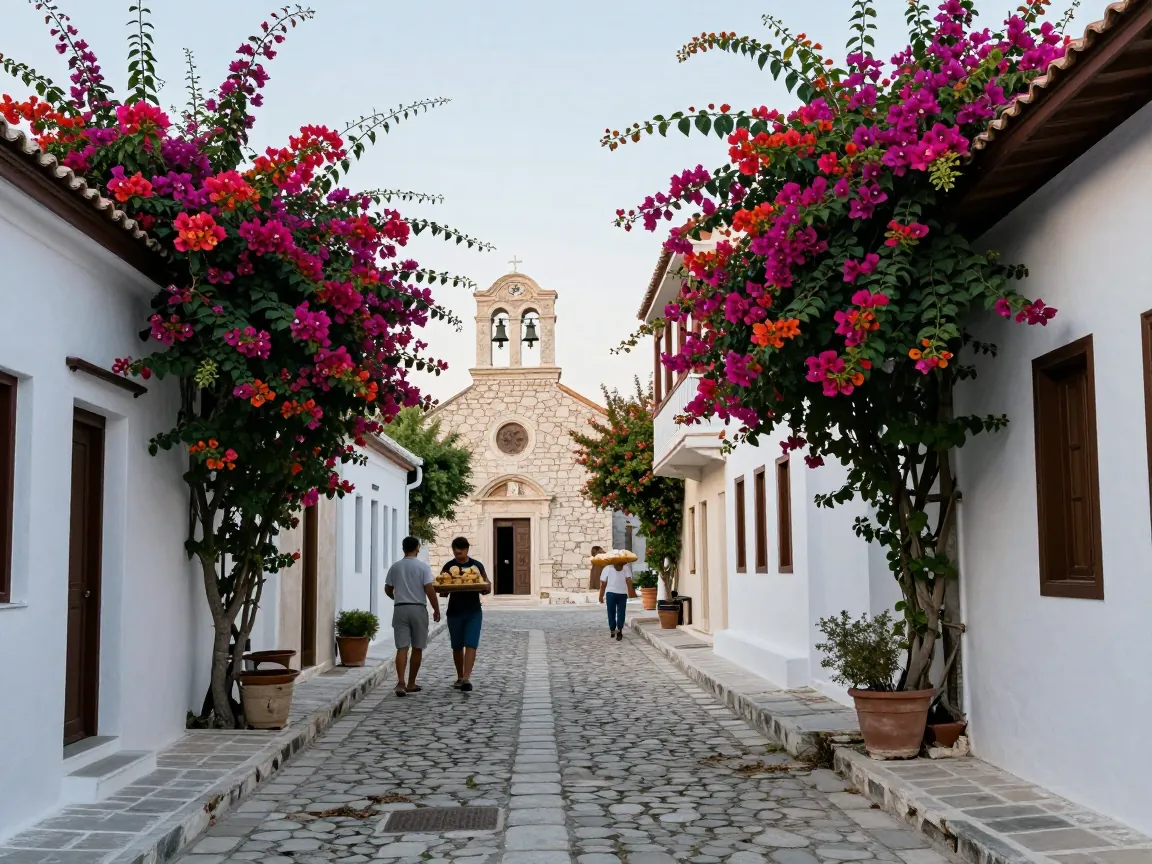
A date-check calendar template
Build one calendar row per candidate date and fill it before you sign anything. The template below is ours; adapt the columns to your event.
| Check | Where to confirm | Answer | Risk if unresolved |
|---|---|---|---|
| Orthodox Easter dates for the target year | Ecclesiastical calendar and your Greek ground handler | Movable holidays fall inside your programme | |
| 1 May status this year | Municipality or official gazette announcement | Supplier no-shows | |
| 15 August and the surrounding week | Hotel, ferry operator, coach company | Transport and rooms unavailable | |
| Local patron saint feast and procession route | Municipality and parish | Noise curfew and road closures | |
| Name days of key local staff or partners | Your Greek counterpart | Last-minute staffing gaps | |
| Venue's own closure calendar | Venue contract, in writing | Venue dark on your arrival day | |
| Supplier holiday schedules | Each supplier, in the contract | Crew, kitchen or AV gaps | |
| Guest arrival day versus local transport strikes | Airline, ferry and coach operators | Guests stranded |
Two habits make this table work. First, put the confirmed answers in the contract as dates and times, not as reassurances. Second, ask who is on call on the holiday itself, with a phone number, because a supplier who is closed is not the same as a supplier who is unreachable. Our accessible events planning guide applies the same logic to access: ask about the whole route on the actual day, not just the venue door.
Building the brief around the calendar
Once the calendar is settled, the site visit does the rest. Bring the same brief to every room and every supplier, as our venue site visit guide sets out, and add one page listing the local holidays that fall inside the event window. If a supplier answers questions about 15 August without checking anything, that is your signal to verify elsewhere. It is better to lose a date than to discover on arrival that the square outside the venue is mid-panigyri with a sound system aimed at the terrace.
Tell us your headcount, your preferred month and the purpose of the retreat, and we'll pass the brief to venues that can actually answer for those dates, holidays included.
Planning questions
Can we hold a corporate retreat in Greece during Orthodox Easter week?
Yes, but treat it as a peak local holiday rather than a quiet shoulder week. Expect fuller hotels, limited supplier crews and church activity near venues. Confirm transport, catering and sound arrangements in writing before signing, and accept that some Greek partners will be unavailable on Good Friday and Easter Sunday.
Is mid-August a realistic date for a team retreat in Greece?
It is possible, but it can be costly and logistically tight. The Assumption holiday pulls Greek holidaymakers to coastal areas, so rooms, ferries and coaches fill early. Book accommodation and transport first, then build a programme around what stays open, rather than assuming suppliers will adjust.
How do local name days and patron saint feasts affect a venue?
They can bring processions, amplified music and crowds close to your venue, and can empty local offices. Ask the municipality and parish about routes and sound expectations for your exact dates, and put any agreed quiet hours into the venue contract.