Thessaloniki
Heptapyrgion of Thessaloniki
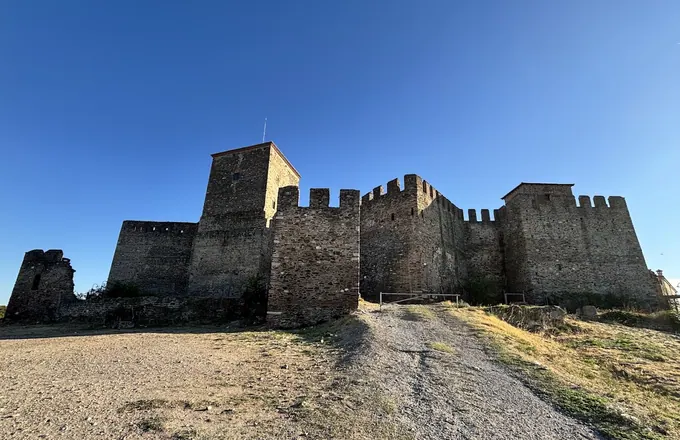
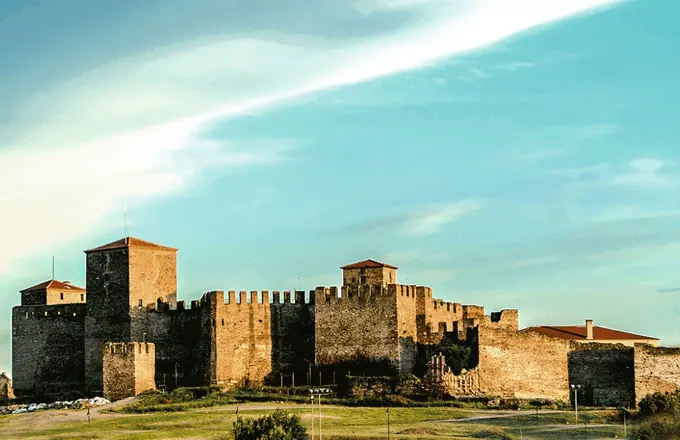
The Heptapyrgion of Thessaloniki is a Byzantine-era fortress and historic monument in Thessaloniki, at Eptapyrgiou 40. The site is known for its many towers and…
Ask about capacity
Find your place to gather
Planners looking at castle venues in Thessaloniki usually work with small guest lists, ceremonies or receptions that need a monument as a backdrop rather than a conventional hall. The city's fortresses sit in different settings: the Heptapyrgion and the Castles area on the upper edge, the White Tower on the waterfront, the Vardari Fortress by the western walls. Each is a heritage site first, so private use is something to confirm rather than assume.
The Heptapyrgion of Thessaloniki is a Byzantine-era fortress and historic monument in Thessaloniki, at Eptapyrgiou 40. The site is known for its many towers and…
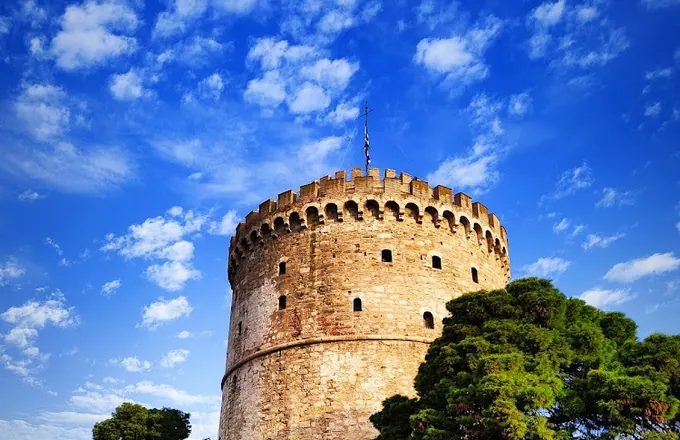
The White Tower is a well-known Ottoman fortress and former prison in Thessaloniki. It houses an interactive exhibition on the history of the city. It is a tour…
The Castles of Thessaloniki are a historic attraction and park area in Thessaloniki, at Eptapyrgiou 130. The site is also listed as a tourist attraction, a hiki…
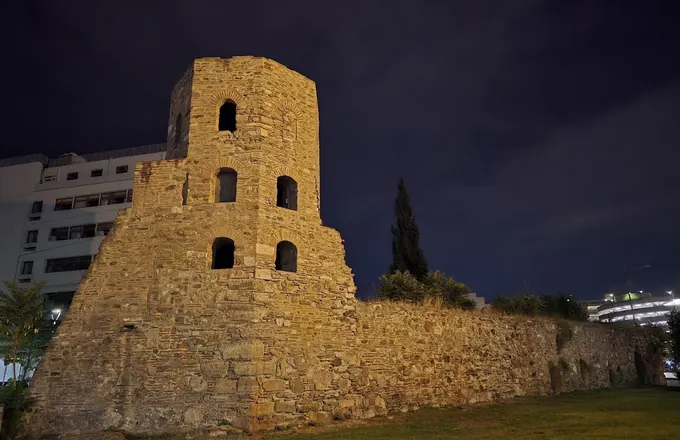
Vardari Fortress is a tourist attraction and castle in Thessaloniki, at the southwestern corner of the city walls near the modern port. A Byzantine tower, known…
The Heptapyrgion of Thessaloniki, on Eptapyrgiou 40, is a Byzantine fortress with multiple towers and a view toward the city acropolis. The Castles of Thessaloniki on Eptapyrgiou 130 are a historic attraction and park area, which gives a planner a more open setting. Both sit in the same upper zone.
The White Tower, in Thessaloniki 546 21, is an Ottoman fortress and former prison that now holds an interactive exhibition on the city's history. The Vardari Fortress, at Polytechniou and Frangon, is a castle at the southwestern corner of the city walls near the modern port, with the Byzantine Tower of the Anaglyph and a horseshoe-shaped enclosure.
Ask each site's managing body about exclusive access, allowed structures, setup and breakdown windows, and any noise or lighting limits.
Compare the enclosed character of the Heptapyrgion and the Vardari Fortress with the open park setting of the Castles area and the museum function of the White Tower. The tradeoff is atmosphere against logistics: a defined enclosure gives clearer boundaries, while a park area or a working museum brings visitor traffic and stricter conditions.
Both are described as tourist attractions and historic sites, not event venues. Private hire, ceremony or catering is not stated. Confirm directly with the managing body whether any private use is allowed and on what terms.
It is listed as a historic attraction, park and hiking area on Eptapyrgiou 130. That suggests an open, outdoor setting rather than an enclosed hall. Ask the managing body about permissions, access and any restrictions before planning anything there.
It is described as a tourist attraction and castle with a Byzantine tower and a horseshoe-shaped enclosure, near the modern port. No event use is stated. Ask the managing body whether small ceremonies are permitted and what conditions apply.