Heraklion
Venetian Fortress of Heraklion
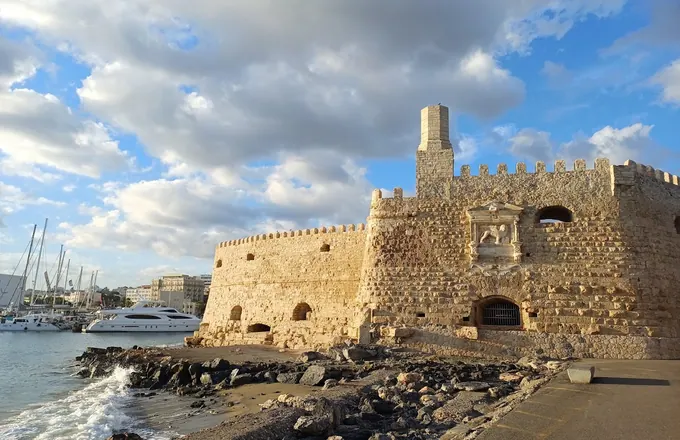
The Venetian Fortress of Heraklion is a restored fortress built by the Venetians in the 16th century, listed as a fortress, castle and historic and tourist attr…
Ask about capacity
Find your place to gather
Castle venues in Heraklion sit along the city's Venetian defences, from the fortress at the port to the walls and gates that still trace the old perimeter. Most are historic monuments rather than event halls, so a planner's first task is separating a visitable site from a bookable space. This page compares the fortifications by address and setting, then sets out what to confirm before you build a guest list around them.
The Venetian Fortress of Heraklion is a restored fortress built by the Venetians in the 16th century, listed as a fortress, castle and historic and tourist attr…
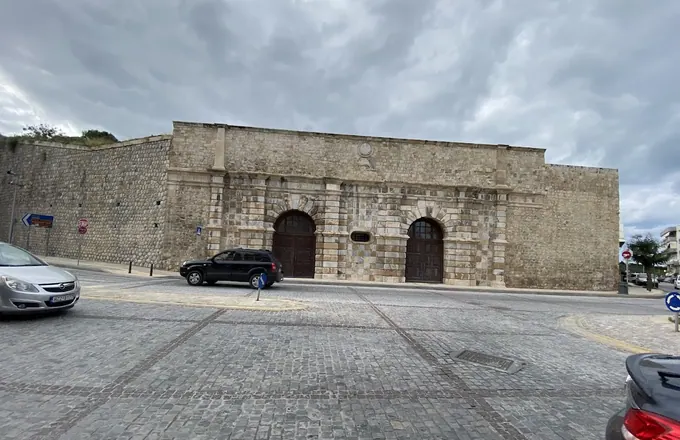
The Venetian Walls of Heraklion are the preserved defensive walls of the city, dating from the 15th century. They form a historic fortification with a walking p…
The Venetian Gate of Pantokrator, known as Chanioporta, is a historic monument set in the Venetian Walls on Archbishop Makarios street in Heraklion. It is liste…
Makasi Gate is a historical landmark located at the Walls of Heraklion on Nik. Plastira 45, in the city of Heraklion, Crete. It is part of the fortification wal…
The Venetian Fortress of Heraklion, in Heraklion 712 02, is a restored 16th-century fortress with notable views and works of art. The Venetian Walls of Heraklion on Nikolaou Plastira Avenue are the preserved 15th-century defences, with a walking path and scenic views. Makasi Gate, at Nik. Plastira 45 on the walls, is a historical landmark, and the Venetian Gate of Pantokrator (Chanioporta) stands on Archbishop Makarios street.
The fortress is a single contained structure near the water; the walls and gates are linear monuments threaded through the city. That difference shapes logistics more than any other factor: a contained site concentrates arrivals and setup, while a gate or stretch of wall has no single boundary.
These listings describe monuments and attractions, not venues that advertise private hire. Ask each site's managing body whether a section can be reserved, who handles setup and any catering, and what access or protection rules apply to a listed fortification. Confirm capacity, permitted event type and any supervision requirement in writing.
Weigh a contained fortress against an open stretch of wall. The fortress gives you defined edges and a clear focal point; the walls and gates give you a city backdrop but no enclosure. If your guest list needs shelter, seating or a kitchen, the monument is unlikely to supply them and you will be arranging those separately.
The listing describes a restored fortress and historic attraction, not a venue that advertises private hire. Contact the managing body to ask whether any section can be reserved and under what conditions.
They are preserved defensive walls and historic gates, with a walking path on the walls. They are linear monuments rather than enclosed venues, so treat enclosure, seating and shelter as things to confirm.
Ask the managing body whether any catering is permitted on site, who may supply it, and what setup or protection rules apply to the monument. Get the answers in writing before you commit.