What each format actually controls
A regular restaurant table is the simplest option. You get food, service, a set time and a bill you can predict. You do not control the music, the volume, the lighting or the strangers two metres away. If your group is happy to eat, talk and leave together, this works well. If anyone plans to make a speech, the room will compete with you.
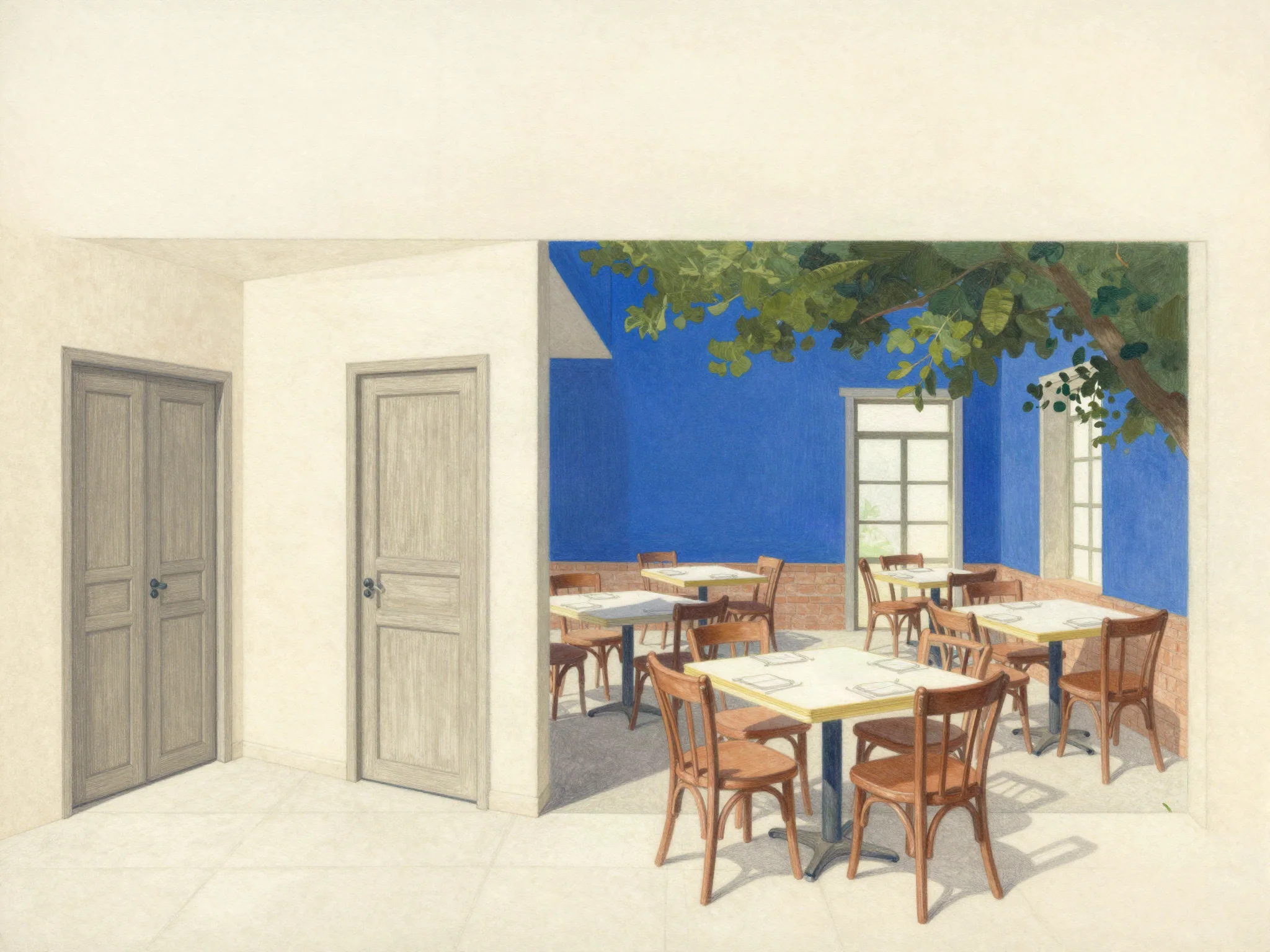
A reserved area, sometimes a semi-private corner or a screened section, gives you a defined zone inside a working venue. You keep the restaurant's energy and staff, and your group has a base. But sound still travels. A playlist from the main room may override your own, and other diners remain part of your evening whether you want them or not.
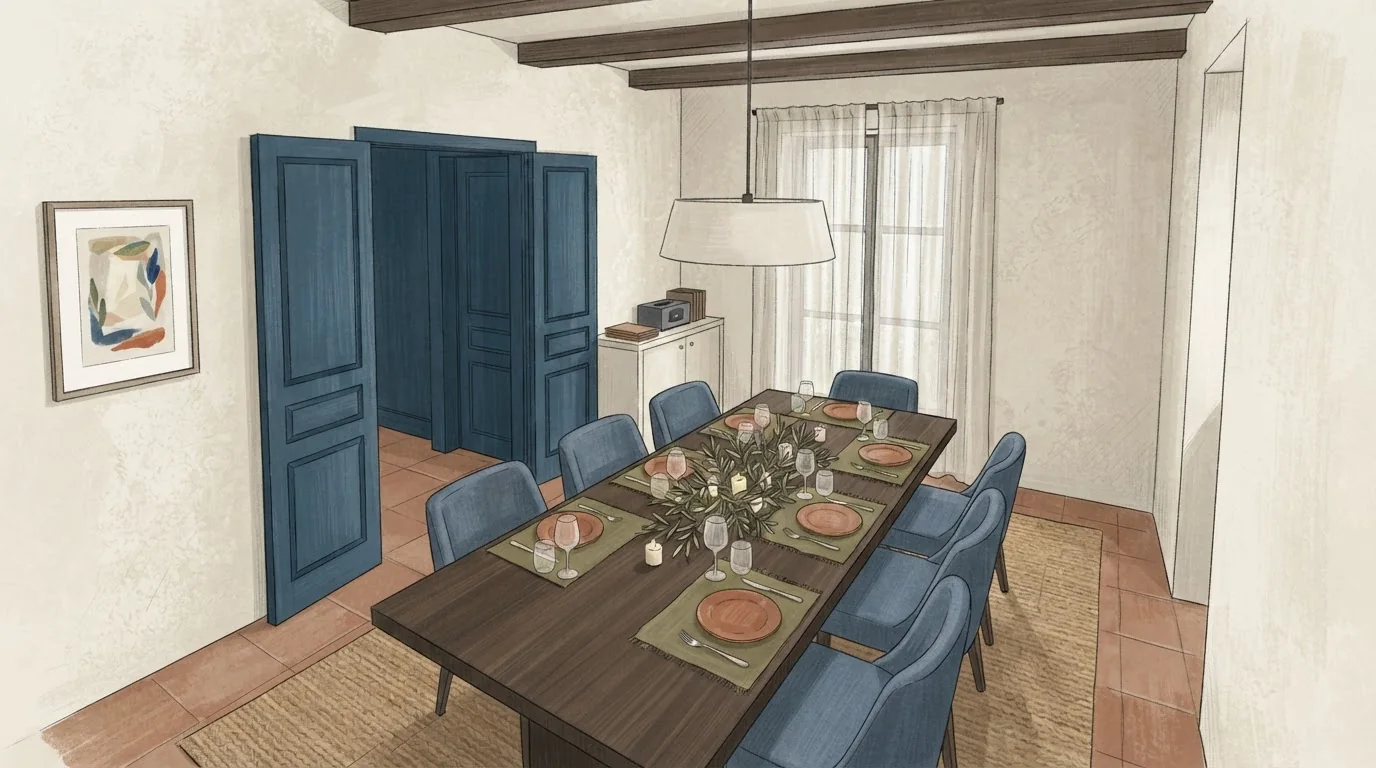
A private dining room is the middle path. You get four walls, your own sound level, and a door you can close. The menu is often shorter, and the room may carry a minimum spend rather than a per-person price. You still share the building, the toilets and sometimes the entrance with other guests.
A full buyout means the venue is yours for the agreed hours. You control the music, the timing, the layout and who walks in. That exclusivity is the product. It is also the most expensive route and the one with the least flexibility if your numbers drop.
A decision tree for conversation, dancing and exclusive use
The useful question is not 'how fancy' but 'what must be true for the night to work'. Work down this tree in order. Stop at the first branch that matches your non-negotiable.
| Priority for the night | Best-fit format | Why it fits | Trade-off to accept |
|---|---|---|---|
| Long conversation, no music | Restaurant table | Predictable cost and timing | No control over noise or neighbours |
| Speeches and mingling | Private dining room | Contained sound, closing door | Minimum spend, shorter menu |
| Dancing after dinner | Private room or buyout | You set the music and the floor plan | Higher cost, earlier commitment |
| Surprise or performance | Private room or buyout | Controlled sightlines and entrances | Venue rules on suppliers, timing |
| Mixed ages, early finish | Reserved area | Guests can leave when they need | Shared sound and shared space |
| Full guest-list control | Buyout | Only your people inside | Pay for capacity you may not fill |
Treat the table as a starting point, not a verdict. A private room with a strict cut-off may suit a 30th birthday better than a buyout, while a 50th with a band needs the whole floor.
The questions that separate a good quote from a vague one
Ask every venue the same list and compare the answers side by side. For a room or buyout, request a written quote that separates the room fee, the food and drink minimum, service, tax as quoted, and any charge for staff staying later than planned.
- What exactly is included in the minimum spend, and does it apply to food, drink or both?
- Is the room private with a door, or a screened area inside the main restaurant?
- Until what time is music allowed, and who controls the volume?
- Can we bring our own cake, decorations or playlist, and is there a charge?
- What happens if our final numbers change, and by when must we confirm them?
- Is there a separate entrance, cloakroom or toilet for our group?
- What is the cancellation and postponement policy in writing?
If the answers arrive only verbally, ask for them in the quote. A venue that will not put terms in writing is telling you something useful.
How to compare costs without inventing numbers
Do not compare a per-person menu with a buyout fee directly. They measure different things. Build a simple comparison with blank fields and fill it from each written quote.
| Cost line | Restaurant table | Reserved area | Private room | Buyout |
|---|---|---|---|---|
| Room or area fee | ||||
| Food minimum | ||||
| Drink minimum | ||||
| Service charge | ||||
| Tax as quoted | ||||
| Extra hour or overtime | ||||
| Cake, decor or supplier fee | ||||
| Total for your confirmed number |
Then divide the total by your confirmed guest count. That figure, not the headline price, is what each guest actually costs you. A buyout can look reasonable per head for a large group and unreasonable for a small one. The arithmetic decides, not the format.
Set the run of the night before you choose
Write a simple timeline first: arrival, dinner, speeches, cake, music, last guests. Then ask which format supports that timeline without compromise. If dancing matters, you need a room where the music can continue and the floor can be cleared. If the group is there mainly to talk, a buyout is expensive silence.
One honest trade-off: a private room gives you control over sound and company, but it often comes with a minimum spend and a shorter menu than the main restaurant. That is not a flaw. It is the price of a closed door.
What to send venues
When you contact venues, send the same short brief to each one and ask for availability and a written quote together. Include the date and a backup date, the arrival and finish times, your confirmed number and your likely maximum, whether you want a seated dinner or standing space, whether you need music and until when, your budget per head as a range, and any access needs. Ask them to state clearly whether the space is fully private or shared, what the minimum spend covers, and how tax and service are handled. With those answers in writing, you can compare a table, a reserved area, a private room and a buyout on the same page, and choose the one that fits the birthday you are actually planning.
For a wider view of what Athens offers, the city's official convention bureau lists historic, contemporary, coastal and open-air event settings (This is Athens Convention Bureau). Use that as a starting point for the kind of setting you want, then confirm every detail directly with the venue.
Two useful next steps: A milestone birthday: choose the room around conversation and music and Private dining in Athens: how private is the room?.
Planning questions
How do I choose between a reserved area and a private dining room for a birthday dinner?
Compare the actual separation from other diners, the door or partition, sound conditions and service route. Ask for the minimum spend and menu in writing for each option, then judge which arrangement supports your guest list and programme.
What should I write in the timeline before deciding on a room or buyout?
Write a simple timeline first: arrival, dinner, speeches, cake, music, last guests. Then ask which format supports it without compromise. If dancing matters, you need a room where music can continue and the floor can be cleared.