Kritsa
Rodanthi Museum
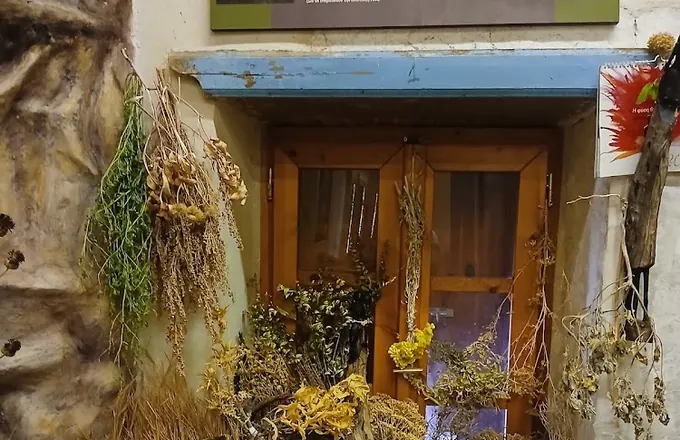
The Rodanthi Museum is a natural history museum in Kritsa, at Ioannou Klontza 78. It is open daily from 9:00 to 18:00. Visitors can explore its museum collectio…
Ask about capacity
Find your place to gather
Cultural event venues in Kritsa come in two basic shapes, and the pair that shows the difference best is the Lato Cultural Hall and the Rodanthi Museum. The hall is a cultural centre in a former olive mill at Thesi Arxauli Soxwra, built for gatherings. The museum on Ioannou Klontza is a natural history collection, a place to view exhibits rather than a function room. Two further sites, the Church of Panagia Kera and the Ancient City of Lato, are visitable heritage rather than hireable halls.
The Rodanthi Museum is a natural history museum in Kritsa, at Ioannou Klontza 78. It is open daily from 9:00 to 18:00. Visitors can explore its museum collectio…
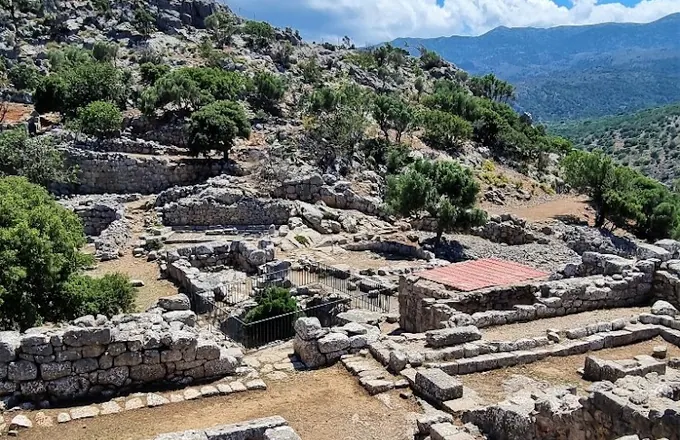
The Ancient City of Lato is a historical landmark in Kritsa, at the address Kritsa 721 00. It is listed as a historic attraction and archaeological site that vi…
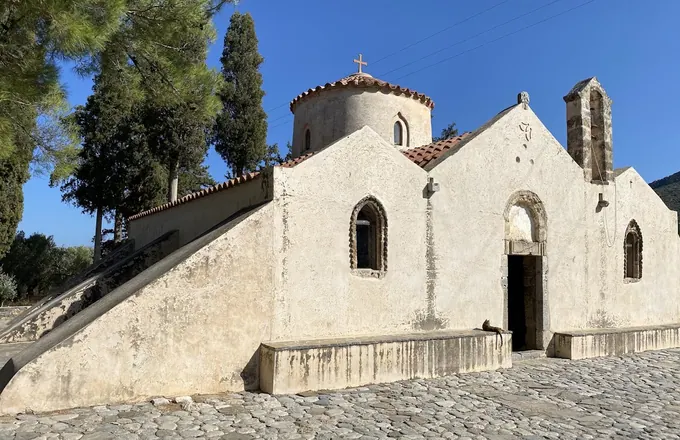
The Church of Panagia Kera is a medieval Byzantine church in Kritsá, a village in the Lasíthi regional unit of Crete. It is a church and a tourist attraction, k…
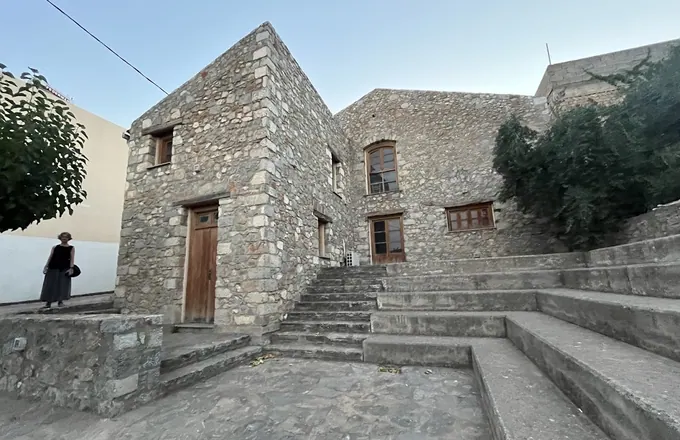
Lato Cultural Hall is a cultural centre in Kritsa, housed in the former Archavli olive mill. It operates as a cultural venue in the area of Thesi Arxauli Soxwra…
The Lato Cultural Hall, also called the Cultural Hall of Kritsa "LATO", is the obvious starting point for a cultural programme in the village: a cultural centre in the former Archavli olive mill at Thesi Arxauli Soxwra, serving the village's cultural activity. The Rodanthi Museum on Ioannou Klontza is a natural history museum, a different proposition entirely, where the building's purpose is collections and visitors rather than staged events.
For a ceremony, reception or performance, the hall is the one built for it. The museum suits a small cultural gathering only if the venue confirms it. The Church of Panagia Kera, a medieval Byzantine church known for its frescoes, and the Ancient City of Lato, a historic archaeological site, are both in Kritsa but are primarily places to visit; the church itself advises planners to contact it directly about private bookings or group visits.
The practical split in Kritsa is between a cultural hall and a museum or heritage site. The Lato Cultural Hall is the venue to compare on capacity, staging, catering arrangements and venue hire terms. The Rodanthi Museum, the Church of Panagia Kera and the Ancient City of Lato are visit-based settings, so the questions change: group size limits, access for a ceremony, and whether any private use is possible at all.
One clear rule applies across the board: confirm directly with each venue what it permits for private hire, since public visiting or a museum collection is not the same as a bookable event space. A planner weighing a performance or reception against a small cultural gathering will find the hall and the museum pull in different directions, and the choice should follow the format rather than the setting alone.
The church is a medieval Byzantine church and tourist attraction, not a listed event venue. Its own guidance is to contact it directly about private bookings or group visits, so any arrangement must come from the church itself.
The Lato Cultural Hall is a cultural centre in the former Archavli olive mill, set up for cultural activity. The Rodanthi Museum is a natural history museum for viewing collections. Confirm with each what private hire it allows.
It is listed as a historic attraction and archaeological site that visitors come to see. Nothing in its listing indicates event hire, so treat it as a visit and check with the site before assuming any private use.