Archaia Olympia
Archaeological Museum of Olympia
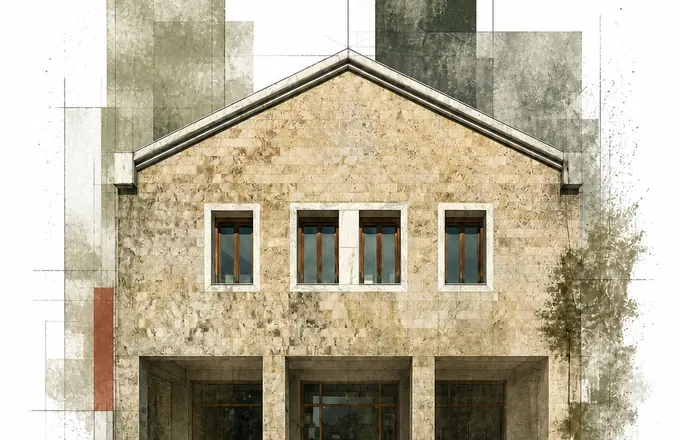
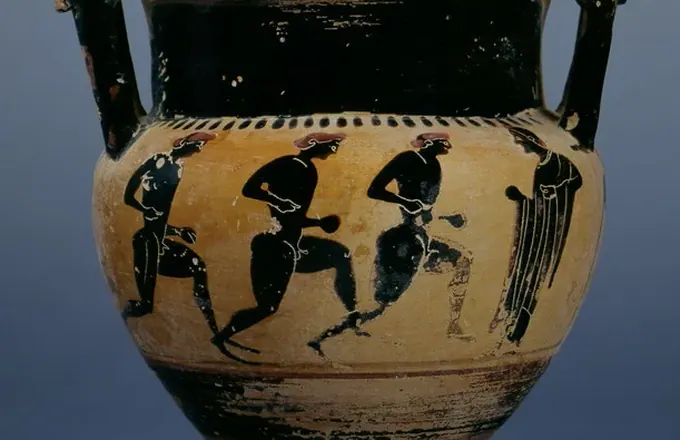
The Archaeological Museum of Olympia is a museum in Ancient Olympia. It displays art and objects from the ruins of Olympia, models of the ancient city and exhib…
Ask about capacity
Find your place to gather
To find cultural event venues in Archaia Olympia, start with two museums that sit close to each other but serve different purposes. The Archaeological Museum of Olympia, on Ancient Olympia 270 65, displays art and objects from the ruins of Olympia and hosted the central event of International Museum Day. The Archimedes Museum, at Praxiteli Kondyli 9, is a science museum dedicated to ancient Greek technology with interactive exhibits. Each represents a different kind of setting for a cultural programme.
The Archaeological Museum of Olympia is a museum in Ancient Olympia. It displays art and objects from the ruins of Olympia, models of the ancient city and exhib…
The Archimedes Museum in Ancient Olympia is a science museum dedicated to ancient Greek technology. Its exhibits present inventions and scientific achievements,…
The Museum of the History of the Olympic Games of Antiquity is an archaeological museum in Ancient Olympia, at Praxiteli Kondyli 4. It also operates as a touris…
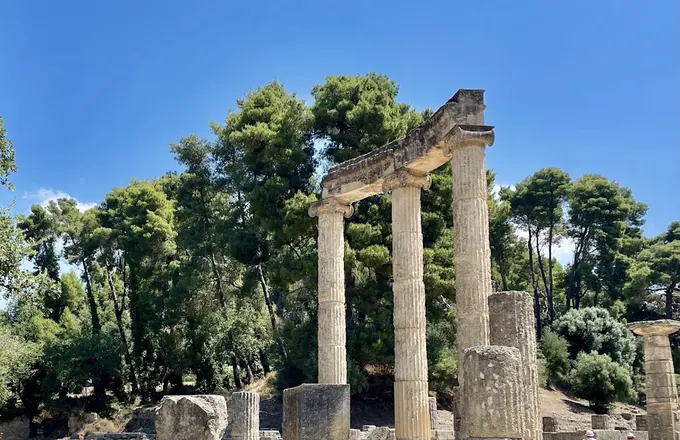
The Archaeological Site of Olympia is an ancient sanctuary and the birthplace of the Olympic Games, located in Ancient Olympia. It is a tourist and historic att…
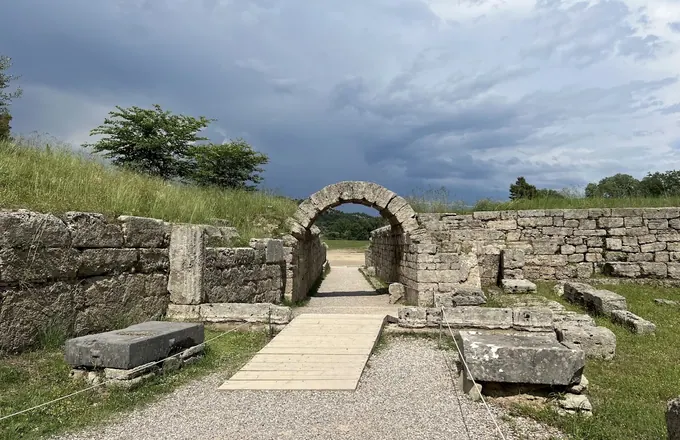
The Stadium at Olympia is an archaeological site in Archaia Olympia, consisting of the grass, dirt and stone ruins of the ancient stadium where foot races and o…
The Archaeological Museum of Olympia is an indoor museum whose collection covers the ruins of Olympia and the history of excavations; its central-event role shows it can host an organised cultural programme. The Archimedes Museum, also in Ancient Olympia, focuses on ancient Greek technology and interactive displays, with art and history alongside. Both are in the town itself, so a guest list can move between them on foot.
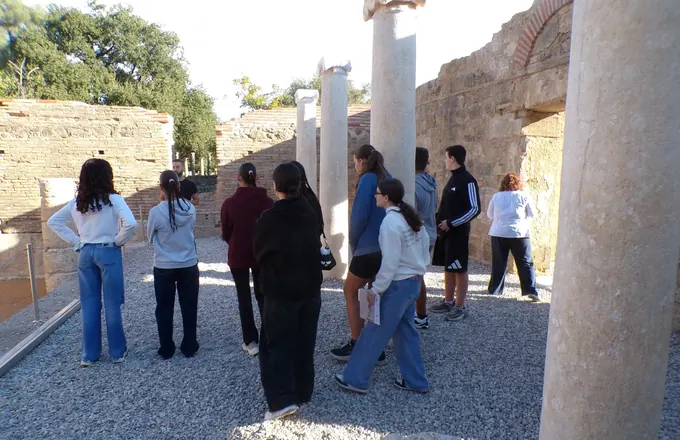
For open-air settings, the Archaeological Site of Olympia is an ancient sanctuary with monuments such as the Nike of Paionios, and the Stadium at Olympia preserves the grass, dirt and stone ruins of the ancient stadium. These are historic attractions rather than private venues, so treat them as possible backdrops for a cultural visit, not as bookable halls. The Museum of the History of the Olympic Games of Antiquity, at Praxiteli Kondyli 4, is a further archaeological museum in the same street cluster.
Compare the two museum profiles against your format: the Archaeological Museum of Olympia suits a programme tied to its collections, while the Archimedes Museum gives you interactive, technology-led exhibits. Ask each venue whether private bookings or group events are accepted, what space is available for a reception, and whether catering can be arranged on site. The museum descriptions do not confirm private hire, so get that in writing.
The archaeological site and stadium are outdoor historic attractions, which changes what you need to plan: weather cover, access for a guest list, and permission for any set-up. Indoor museum space avoids those variables but may limit numbers. Decide whether the setting or the logistics matter more, and confirm availability and any constraints directly with the venue before you commit.
The museum hosted the central event of International Museum Day, which shows it can host organised cultural programmes. Its description does not confirm private hire, so contact the museum to ask about bookings, capacity and terms.
It is a science museum in Ancient Olympia dedicated to ancient Greek technology, with inventions, scientific achievements and interactive displays inspired by Archimedes, and it also covers art, history and technology. It is at Praxiteli Kondyli 9.
Both are historic attractions: the Archaeological Site of Olympia is an ancient sanctuary with monuments, and the Stadium at Olympia preserves the ruins of the ancient stadium. They are outdoor sites, so ask about access, set-up permission and weather cover.