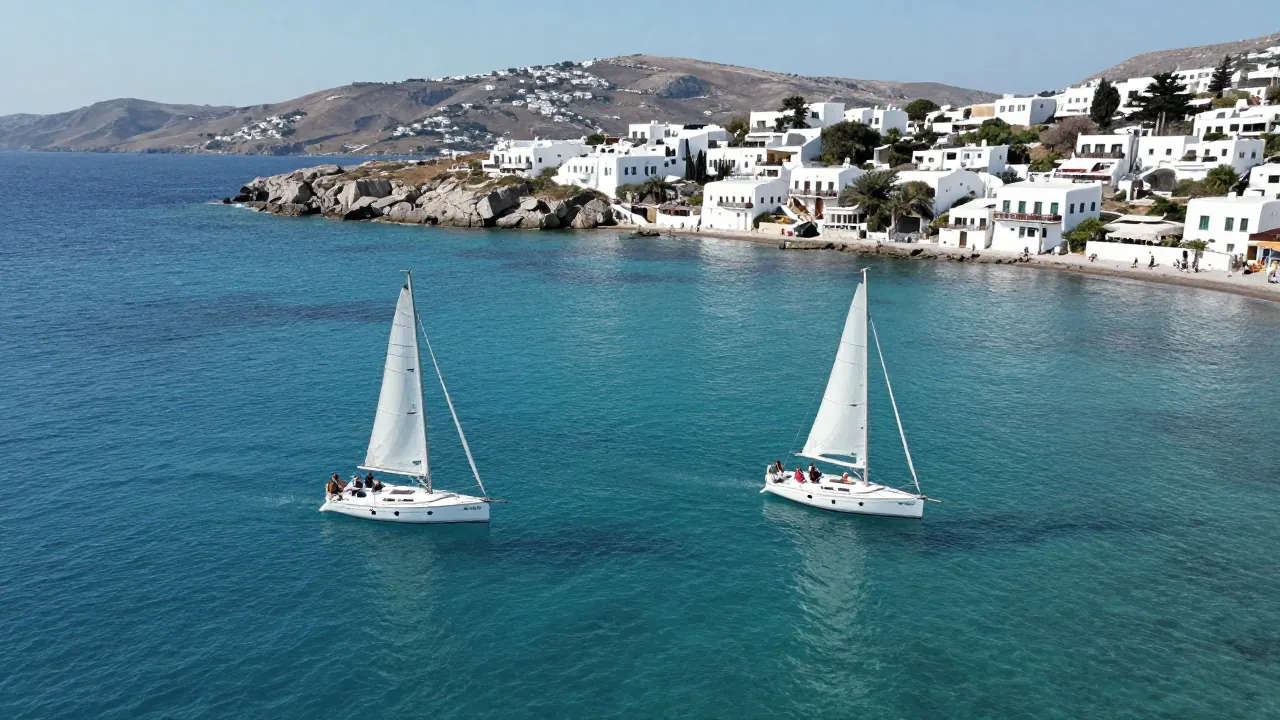
Why sailing suits some teams and quietly excludes others
A sailing day is a genuinely good format for a team that already works in small units. A crew of six on a 40-foot yacht has to talk, take turns and accept that one person is in charge. That is teambuilding without a facilitator holding a flipchart.
The exclusion risk is physical. Anyone with a recent injury, a pregnancy, a back problem or a fear of open water needs a real alternative, not a sun lounger on the quay. Ask every participant, in the registration form, two direct questions: can you swim, and have you been on a moving boat before. Ask about medication that causes drowsiness. Nobody should have to disclose a diagnosis to a junior colleague to get out of a boat.
We would also concede that a half-day sail teaches a team very little if they are split across four vessels and never meet on the water. If the point is shared problem-solving, one boat and a rotation works better than a flotilla.
Splitting the group across boats without splitting the team
The standard method is a flotilla: several identical or near-identical yachts leaving together, sailing a similar loop, anchoring for lunch in the same bay. You book the flotilla, not the individual boat.
Mix the crews deliberately. If departments travel together they will sit together, and the day becomes a boat trip for four separate teams. Publish the crew list the evening before, with a named skipper per boat.
Set a rendezvous point and a time the whole group is afloat together: a swim stop, a photo, a short briefing from the lead skipper. One shared moment on the water does more for a group than a whole day of parallel sailing.
| Element | What to agree in writing |
|---|---|
| Number of boats | Boat count, skipper count, maximum bodies per boat |
| Crew mix | Who assigns crews, when the list is published |
| Skipper role | Whether skippers teach or simply sail and supervise |
| Rendezvous | One shared stop, with a named bay and a time window |
| Safety briefing | Who delivers it, in which language, before departure |
| Lunch | Ashore, at anchor, or catered on board, and who carries it |
Yacht clubs and marina-based operators are the obvious suppliers, and some club premises double as event space for the evening. Our yacht clubs in Greece listings are a reasonable starting point for that conversation.
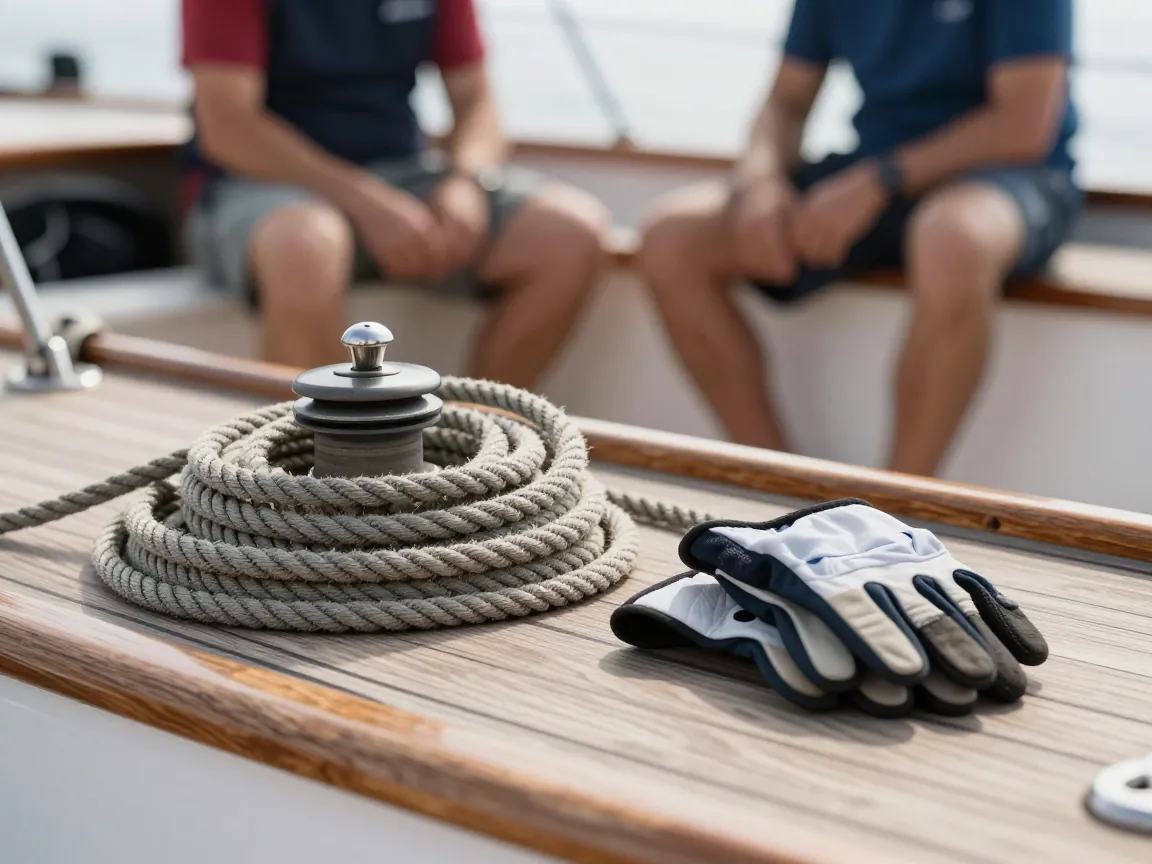
The go/no-go rule you set before the day, not on it
This is where a sailing day can go wrong: the decision gets made at the quay at nine in the morning by whoever is most senior and most reluctant to cancel. Write the rule in the contract instead.
Visit Greece describes the meltemi as the strong north east wind of the Mediterranean blowing through the Cyclades and testing the endurance and skill of mariners. Take that seriously if your route runs through the Cyclades, especially with a fleet of chartered yachts crewed by accountants. Official weather warnings and the skipper's professional judgement on the day should be the final word on whether a boat leaves its berth.
So build the rule as a ladder, agreed with the operator in advance.
| Condition | Decision | Who decides |
|---|---|---|
| Forecast within the operator's normal range | Sail as planned | Skipper |
| Forecast strong, sheltered route available | Shortened route inside the bay | Skipper, with the organiser informed |
| Marine warning in force, or skipper unwilling | No sail; fallback plan runs | Skipper, in writing to the organiser |
| Wind builds during the day | Return to base early | Skipper |
| Doubt about a participant's fitness to sail | That person stays ashore | Organiser and skipper together |
Two contract clauses matter more than the price. First, a cancellation and postponement clause that says what happens to the deposit if the skipper calls it off for weather. Second, the name and mobile number of the person who will tell you, and how early. Aim for a decision by the evening before whenever the forecast allows it, so the fallback can be activated while restaurants and coaches are still bookable. Confirm current requirements with the competent authority and with the operator's own licensing before you sign anything.
A note on insurance: ask whether the operator's cover includes commercial use with paying participants who are not crew. Some policies do not. That question is worth asking in writing.
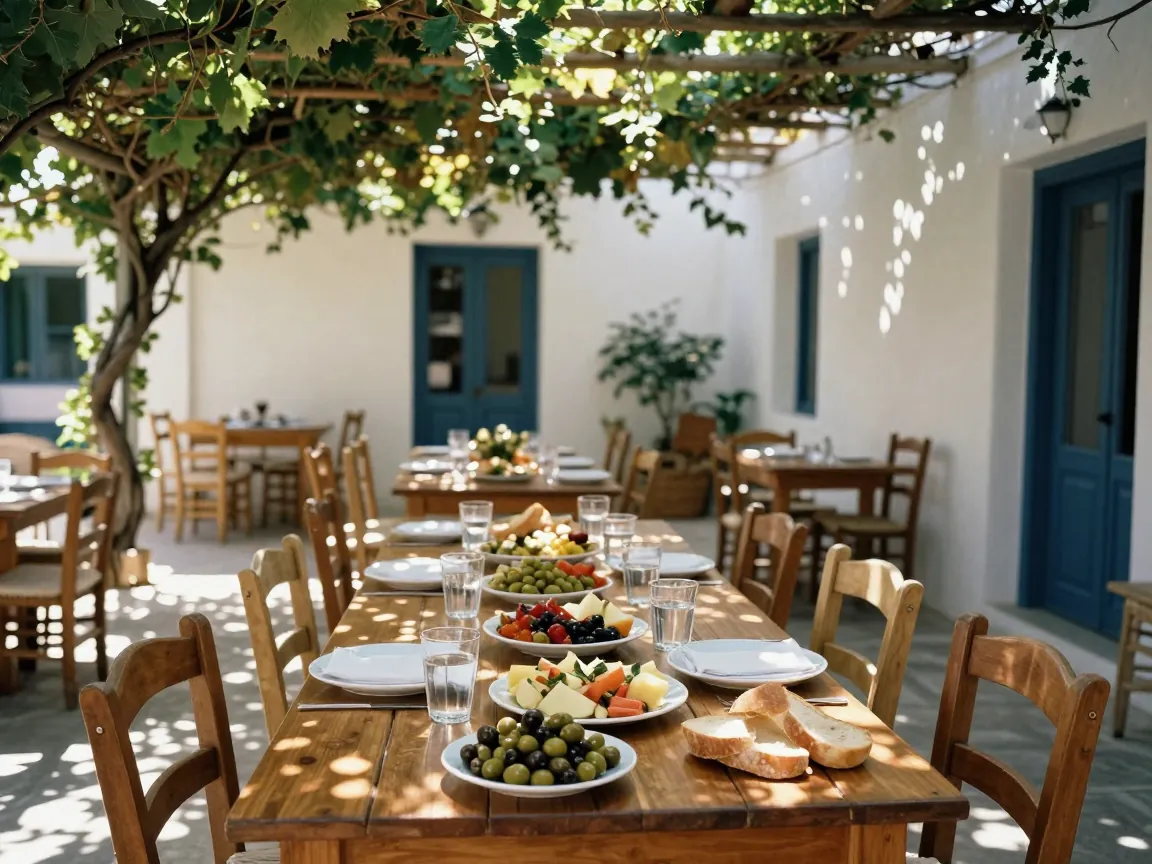
A dry-land fallback that a team will actually enjoy
The fallback has to be decided before the day, and it has to be something people would have chosen anyway. Announcing a museum visit to a group expecting a swim stop is a way to lose the room.
Our preferred shape is a two-part day: a morning activity on land, an afternoon on the water. If the wind kills the afternoon, the morning already stands as the day, and the group goes straight to the long lunch. The reverse order works too, but then the whole day depends on the weather.
Build the fallback around the same venue. If the boats were leaving from a marina near Athens, keep the group in the same building: a sheltered courtyard, a covered terrace, a meeting room with a projector. A city venue helps here; our notes on testing a table layout for a small Athens meeting room apply to any room you intend to use for a workshop instead of a sail.
For a multi-day retreat, the same logic applies to every outdoor block, which is the argument we make in the dry-day and wet-day plan for a yoga retreat room. One indoor anchor per day, chosen for comfort rather than as a punishment.
Practical fallback kit: a coach on standby, a named indoor venue with a signed option, a catering plan that can move indoors with two hours' notice, and one person whose only job that morning is to make the call and tell everyone.
Seasickness, briefings and the small logistics people forget
Seasickness is not a character flaw and it will hit somebody. Prevention works better than cure: a light breakfast, no alcohol the night before, fresh air on deck rather than a cabin bunk, and eyes on the horizon. Anyone prone to it should take medication before boarding, on medical advice, not after symptoms start.
Ask the operator what they carry on board and what they expect participants to bring. Do not assume the boat has spare waterproofs in everyone's size, enough water, or a working head that a guest can use comfortably. For a shared lunch at anchor, agree who carries it and how it stays cold.
Briefing language is a real issue for an international team. Confirm the briefing will be delivered in English as well as Greek, and ask for a written one-page version to circulate beforehand. Write down what you expect people to do, and hand it over before they arrive.
Share the headcount, the date and a short brief, and the venues and operators that fit your group can answer directly with what they can actually do on that day.
Planning questions
How do we split a large team across several sailing yachts without losing the group feel?
Assign crews yourself rather than letting departments self-select, publish the list the evening before, and set one shared rendezvous on the water: a swim stop or briefing where the whole group is together. One common moment matters more than a full day of parallel sailing.
Who decides whether the sail goes ahead when the wind is strong?
The skipper makes the call, because professional judgement on the day governs whether a boat leaves its berth. Agree in advance a written ladder of conditions, who informs the organiser, and how early, so the fallback can still be booked.
What should the dry-land fallback day contain?
Use the same venue as the sailing departure, with a covered room or terrace, catering that can move indoors at short notice, a coach on standby and one named person to make the call. A morning land activity with an afternoon sail protects the day.