Chaironeia
Archaeological Museum of Chaeronea
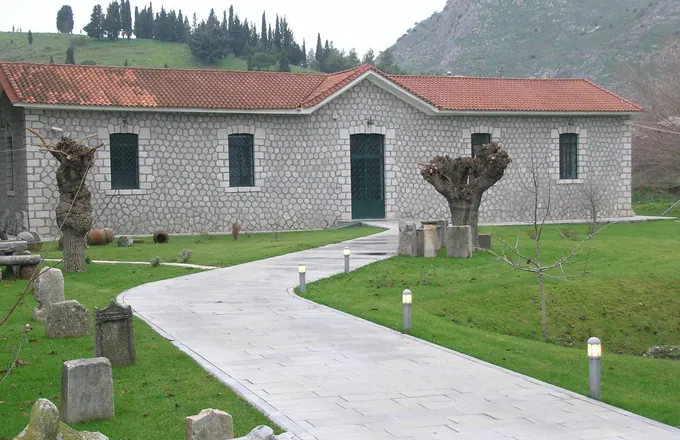
The Archaeological Museum of Chaeronea is an archaeological museum and tourist attraction in Chaeronea. Founded in 1907 by the Archaeological Society at Athens,…
Ask about capacity
Find your place to gather
This collection covers heritage sites in Chaironeia, a settlement in central Greece, with the Archaeological Museum of Chaeronea as a concrete example. Planners considering such sites should ask whether any area can be used for events, and weigh exhibition spaces versus courtyard settings, collection access, and seasonal visitor flow. The museum's 1907 founding, its sculpture, pottery, coin and weapon displays, and its open-air courtyard of inscriptions and funerary stelae illustrate the range of heritage settings that may be available. Event suitability must be confirmed with the venue.
The Archaeological Museum of Chaeronea is an archaeological museum and tourist attraction in Chaeronea. Founded in 1907 by the Archaeological Society at Athens,…
The Archaeological Museum of Chaeronea, founded in 1907 by the Archaeological Society at Athens, presents sculpture from Livadeia and Chaeronea; pottery from prehistoric and historical sites of the area; and coins and weapons from the Macedonian tumulus and the Thebans' polyandrion. Its courtyard, with numerous inscriptions and funerary stelae, functions as an open-air exhibition space.
For planners, the key tradeoff is controlled exhibition conditions versus the courtyard's open-air character. Ask whether a proposed event would share space with exhibited collections, and whether the courtyard is available independently. Because the source does not state whether displays are fixed, ask the venue how exhibits may affect circulation and seating.
Chaironeia is a settlement in central Greece, so venue choice should reflect how guests will arrive and move between spaces. The museum's exhibition spaces and courtyard suit different formats: gatherings among the collections versus open-air gatherings among inscriptions and stelae. Confirm which areas a booking would cover.
Ask directly about setup and breakdown windows, whether furniture can be brought in, and how collection protection affects layout. Also clarify whether the courtyard's open-air exhibition remains accessible to other visitors during an event. These answers distinguish a workable heritage venue from one that merely looks suitable.
The museum has exhibition displays and a courtyard used as an open-air exhibition space.
The source lists sculpture from Livadeia and Chaeronea; pottery from prehistoric and historical sites of the area; coins and weapons from the Macedonian tumulus and the Thebans' polyandrion; plus courtyard inscriptions and funerary stelae. Ask the venue how these exhibits may affect circulation and seating.
Because the courtyard functions as an open-air exhibition space, ask the venue whether it would be exclusive or shared before finalising plans.